

Volunteers vital for protecting wildlife and tackling plastic pollution
From researching plastic pollution to caring for injured wildlife, volunteers play a crucial role in conservation. But much of the valuable knowledge they gather remains unused, according to PhD candidate Liselotte Rambonnet.
For years, Rambonnet has canoed through Leiden’s canals, retrieving plastic packaging and other harmful waste. She does this with fellow volunteers from De Grachtwacht, an organisation she co-founded. During her studies, she also worked at a rescue centre for injured birds in Leiderdorp, where she noticed that the data collected by volunteers was rarely used beyond the shelter itself. For her dissertation, she conducted a nationwide study into who these volunteers are and what data they collect.
‘Make better use of the valuable data volunteers collect’
Citizen science
Volunteers make an essential contribution, Rambonnet concludes. ‘Plastic pollution and biodiversity loss demand long-term, large-scale monitoring and policy change. Researchers can’t achieve this on their own.’ Researchers are increasingly working with volunteers who help collect or analyse data. ‘To engage people in research, you need to understand who they are and what motivates them. I also wanted to explore the impact volunteering has on science and on the volunteers themselves.’
Clean Rivers
Through surveys, Rambonnet followed more than 200 volunteers involved in the ‘Clean Rivers’ project, in which citizens collected and analysed plastic waste from riverbanks. The participants were primarily motivated by the desire to reduce plastic pollution and to influence policy. As is common in citizen science projects, the project predominantly attracted people with higher levels of education.
Wildlife centres
Rambonnet also interviewed coordinators at 13 Dutch wildlife centres and asked volunteers to complete questionnaires. These centres care for sick animals, including seals, hedgehogs and birds. Volunteers were mainly driven by their love of animals and their desire to help. Wildlife centres attract volunteers from a broader range of educational levels. ‘This brings a wider range of perspectives from society, which is valuable for science,’ says Rambonnet.
Information often overlooked
Rambonnet’s research shows that wildlife centres collect extensive data on wild animals and the threats they face, such as disease and litter. But this information is rarely used in scientific research. ‘We often talk about the importance of transferring knowledge from universities to society,’ says Rambonnet. ‘But society itself has a great deal of knowledge that could be connected to academic research.’
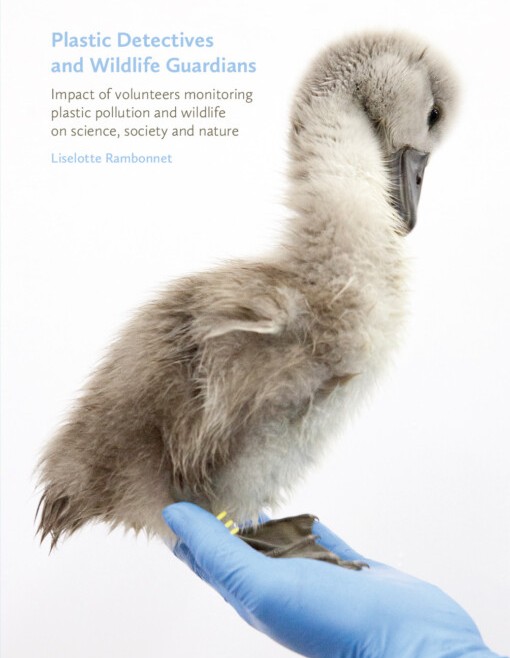
Read the dissertation Plastic Detectives and Wildlife Guardians.
More support needed
The wildlife centres expressed a strong interest in more research on animal diseases and how their work impacts animal welfare. ‘Make better use of this valuable data,’ Rambonnet urges. Although many centres have their own data systems, they often lack the capacity to improve data quality. Greater standardisation and better support for volunteers would make the data more accessible for scientific research.
Social media observations
In addition to contributions from long-term volunteers, Rambonnet also highlights public observations shared on social media. During the pandemic, many people posted photos of animals entangled in face masks or plastic gloves. Collectively, these posts formed a dataset showing the impact of litter on wildlife. ‘These observations provide important insights and complement traditional monitoring methods. We couldn’t do this work without volunteers; the environmental challenges are far too great.’