

How biodiverse is your campus? Take part in the Biodiversity Challenge to find out
A surprising amount of life grows, crawls and flutters around Leiden University’s buildings. During the Biodiversity Challenge – from 30 April to 2 July – the campus will turn into a research site, and you’ll be the researcher. Grab your phone, take a look around and record what you see.
The aim of the challenge is to register as many plants and animals as possible on the university’s grounds in the space of two months. Everything counts: from a tiny flower between the paving stones to birds of prey high up in the sky. Last year, a total of 571 species were discovered on the Leiden campuses. We’ve set the bar even higher this year: and our aim is to identify over than 1,000 species, including at least ten rare ones.

From incidental finds to rare discoveries
Last year’s challenge already proved that these rare species are around in large numbers. Lots of remarkable species were spotted at Leiden Bio Science Park, from the ramshorn snail to wild orchids and the kingfisher. Less obvious species were found to, such as certain types of moss. The question isn’t whether they’re there, but whether you can spot them.
One challenge across the whole of the Netherlands
The Biodiversity Challenge is a national initiative that is taking place at educational institutions across the Netherlands. Leiden University is participating with three campuses as well as the entire Leiden Bio Science Park. There’s much to discover at the Science Park, where the university, the municipality and partners collaborate to boost biodiversity. However, there’s also more life than you might realise on the campuses in the centre of Leiden and in The Hague.
Take part and win Hortus honey
It’s fun to participate in the Biodiversity Challenge anyway – but the chance to win a prize makes it even more exciting! Participants will be awarded jars of artisan honey produced by the bees at Hortus Botanicus Leiden. These prizes aren’t just for those who spot the most species – they’re also awarded to people who spot something unusual. You might be:
- The Discoverer – you spot a rare (or very rare!) species
- The All-Rounder – you find the most different species
- The Beady Eye – you register an unusual sighting
- The Hidden Hero – you see what others miss
- The Lucky One – you’re a random winner
There’s also a national prize for the best nature photograph. This prize will be awarded on 2 July, during the challenge’s closing event at Utrecht University.
How it works:
- Create an account on waarneming.nl. Do you want to be eligible for the Hortus honey prize? Then create an account with your first and last name and UL behind it.
- Download the free ObsIdentify app and link it to waarneming.nl
- Add ‘UL’ to your name so that your finds are added to the university’s tally
- Go outside and register what you see (NB: only wild species – that means no pets, livestock or planted vegetation)
- Upload your sighting to waarneming.nl, through the ObsIdentify app
Just one photo is often enough to identify the species you’ve found. Before you know it, you’ll be looking at the places you pass by every day in a whole new light.
Together with the city
The challenge is running alongside the citizen science project entitled City Nature Expedition, which involves Leiden’s residents identifying nature around the city. This means that your observations will automatically contribute to two initiatives at the same time. The results of the challenge will be used to improve biodiversity on the university’s grounds. The species are already here, but will you help spot them?
-
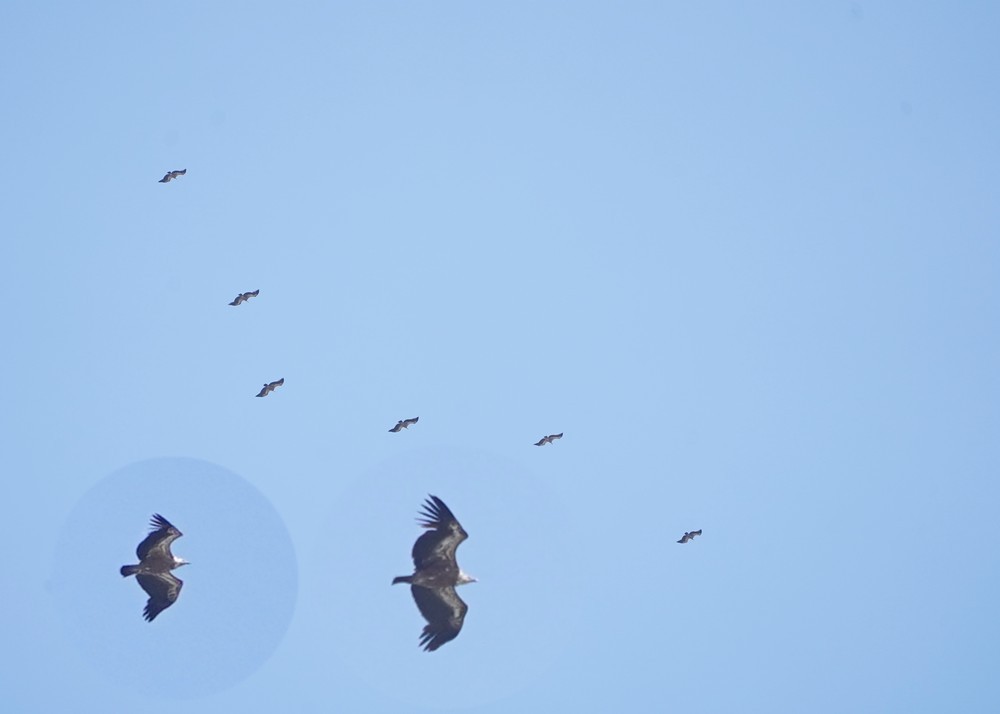
Griffon vultures above the Leiden Bio Science Park -
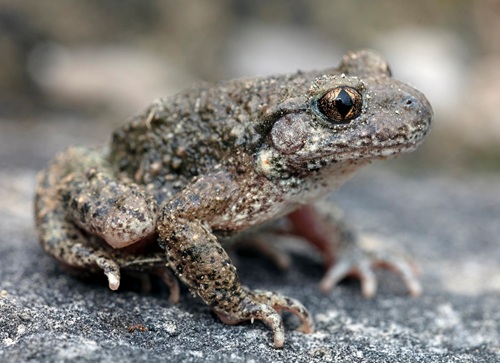
The midwife toad was also discovered on campus last year -
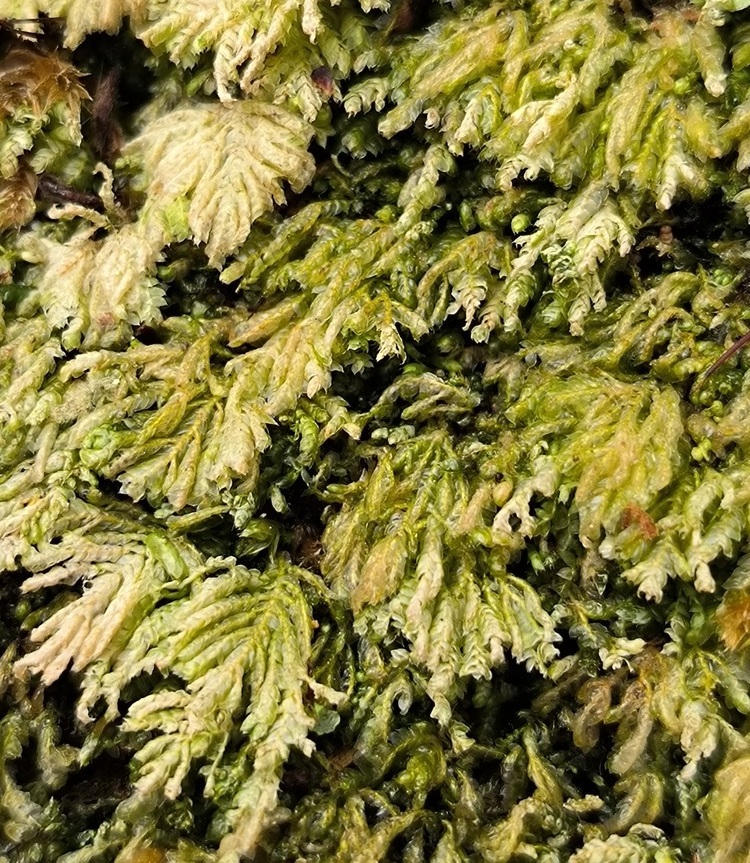
Hypopterygium tamarisci (a type of moss) -
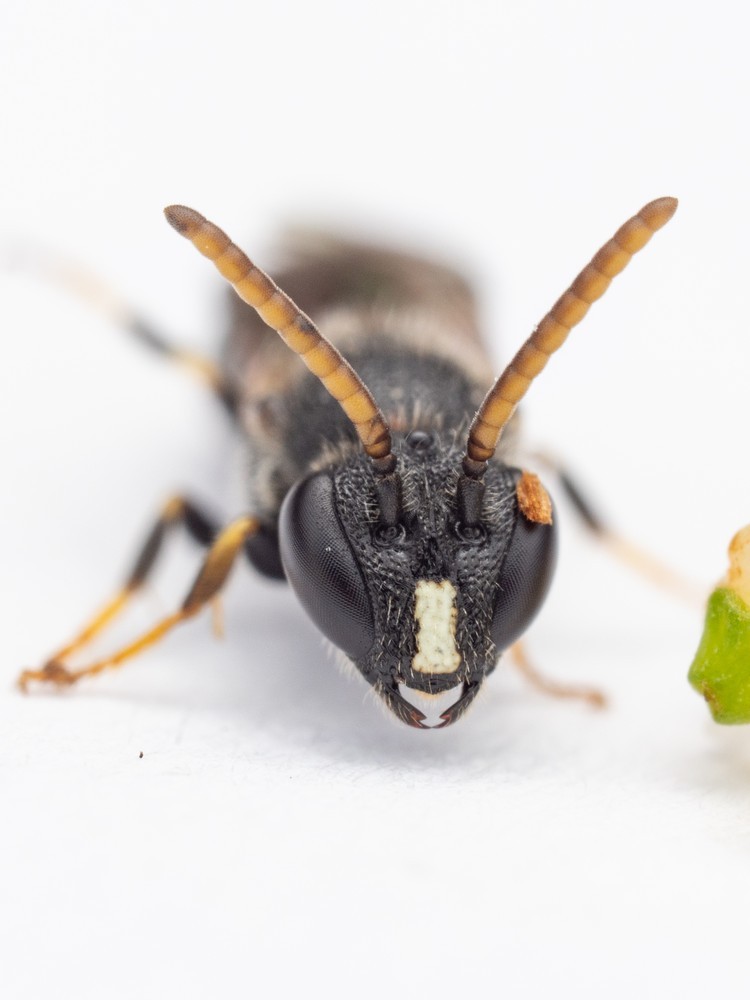
Hylaeus punctatus (a type of bee) -
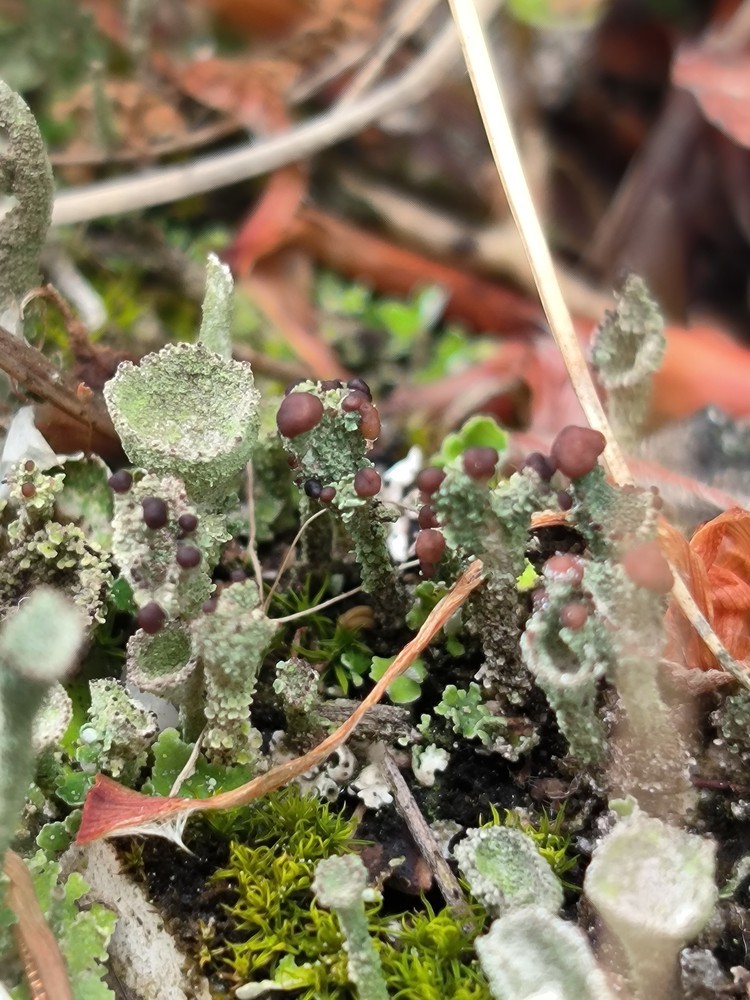
Cladonia cariosa
Nature with a purpose
Sometimes, something that’s ‘messy’ is deliberately designed to look that way. Mowing our grass less, allowing plants to flower and leaving dead stems in place creates space for insects, birds and other species. Biodiversity doesn’t happen by chance – it requires knowledge. By participating in this challenge, you’ll help reveal how biodiversity is faring on our campuses.