Shaping the future of international relations and diplomacy
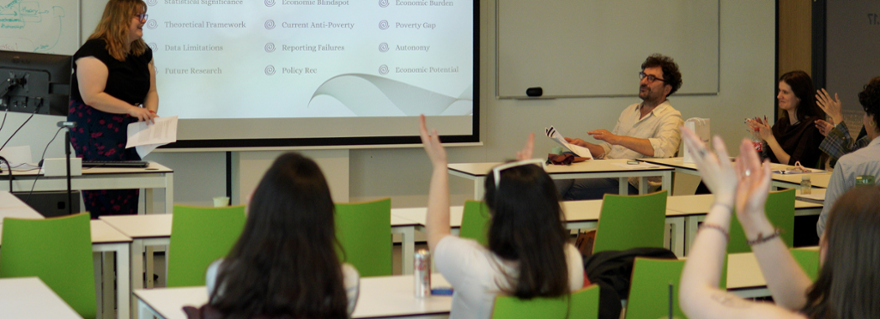
From peace missions and military intervention to climate adaptation and geopolitical competition, students of the Advanced MSc in International Relations and Diplomacy (MIRD) showcased the results of two years of intensive research at the annual Thesis Symposium on 22 May 2026.
The symposium provided second-year students with a dynamic platform to share months of dedicated work as they reached the end of their studies, marking a significant academic achievement. Throughout the day, MIRD students explored contemporary issues central to the scholarship and practice of International Relations and Diplomacy. They were supported by an audience of peers, supervisors, faculty and family members who engaged critically in the discussions.
The panels were chaired by Dr. Susann Handke, Dr. Miles Kellerman, Dr. Adam Lichtenheld, Dr. Gjovalin Macaj, Prof. Jan Melissen, Dr. Arash Pourebrahimi, Dr. Marie Robin and Dr. Nives Rumenjak. Alongside the academic staff, first-year MIRD students also took part in organising the event.
Tackling contemporary global challenges
The symposium covered a wide range of key global issues across twelve panels. Students explored themes including peace missions and military intervention, conflict resolution, EU defence and strategy, democratic backsliding, environmental governance, economics and technology, as well as international law. Their research also addressed topics such as humanitarian action, geopolitical competition, climate adaptation and gender inequality.
The presentations reflected MIRD’s combination of analytical training and theoretical depth. Illustrating their intellectual growth over the past two years, the symposium demonstrated students’ ability to conduct rigorous academic research and apply innovative research methods. Q&A sessions followed the presentations, with audience members invited to participate in discussion and debate.
Emerging experts and tomorrow’s leaders
The panels revealed that MIRD students are emerging as experts in their respective fields and are committed to contributing to a better future. Encouraged by their panel chairs, presenters impressed their audience with the quality of their research.
Among the symposium’s many memorable moments was Dr. Macaj’s response to the presentation 'Why Armed Non-State Actors Open the Rulebook: A Comparative Case Study of Practical Compliance with International Humanitarian Law'. Reflecting on the quality of the research, he remarked that he was expecting a master’s presentation, not a doctoral one.
Going forward, the Class of 2026 is prepared and motivated to apply their expertise in meaningful ways. As Lucia Seney Cunningham, whose thesis explored the geopolitical implications of the AI bubble on Western relative power, noted: 'The symposium was not only a way for me and my fellow students to share our research, but more importantly, it opened the floor for critical discussions about the state of our increasingly fragmented world and how we can collectively pave a way forward.'
The Thesis Symposium highlighted not only the breadth and quality of research within the MIRD programme, but also the students’ ability to engage critically with the complex challenges shaping today’s world. As they move on to careers in diplomacy, policymaking, international organisations, academia and beyond, the Class of 2026 is well prepared to make a meaningful contribution to global affairs.
-
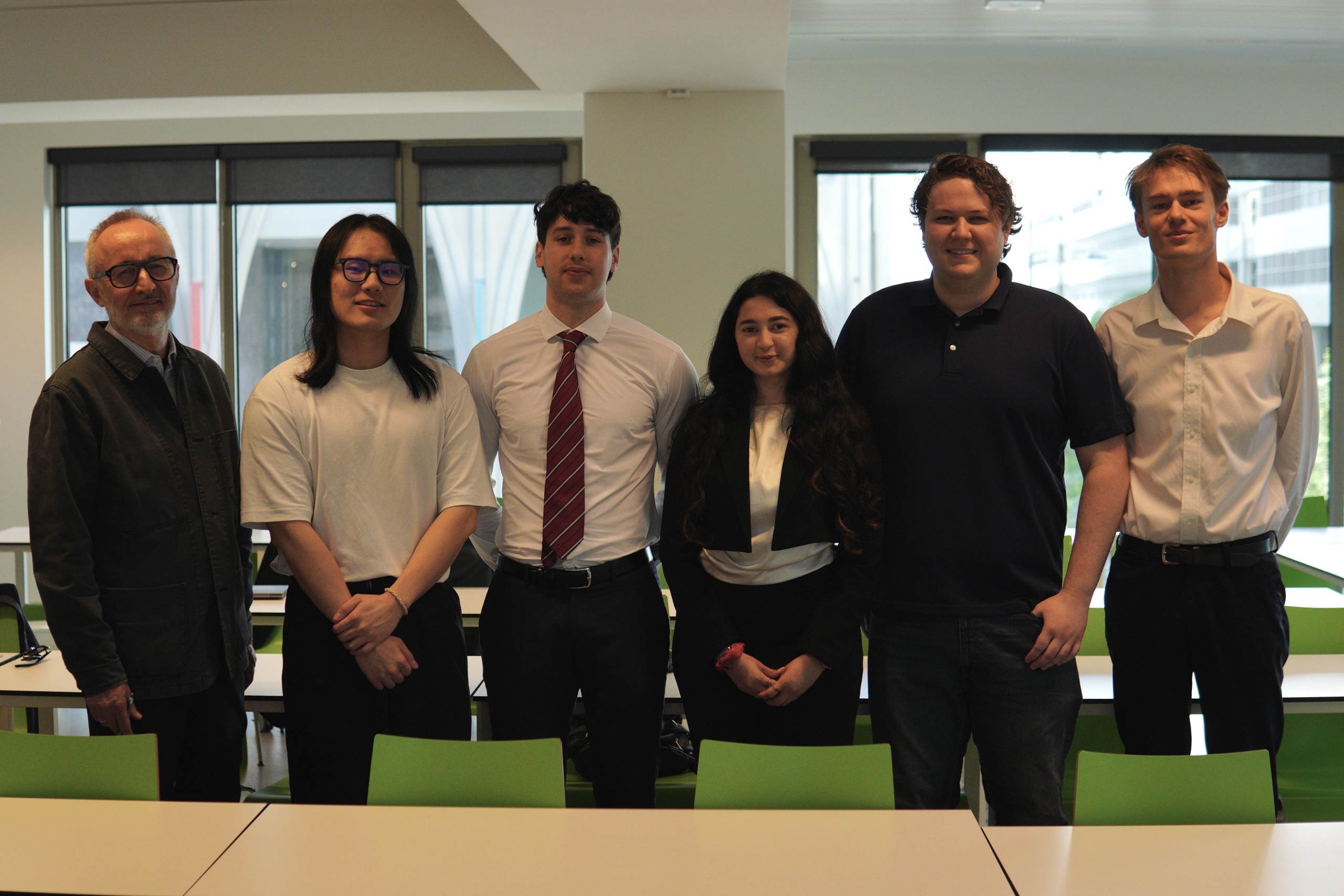
Diplomacy, Negotiations, and Governance panel, chaired by Prof. Jan Melissen, with presenters Christopher Wahba, Edoardo Guerini, Jochem Kooloos, Nieqian Shen, and Ria Bansal. -
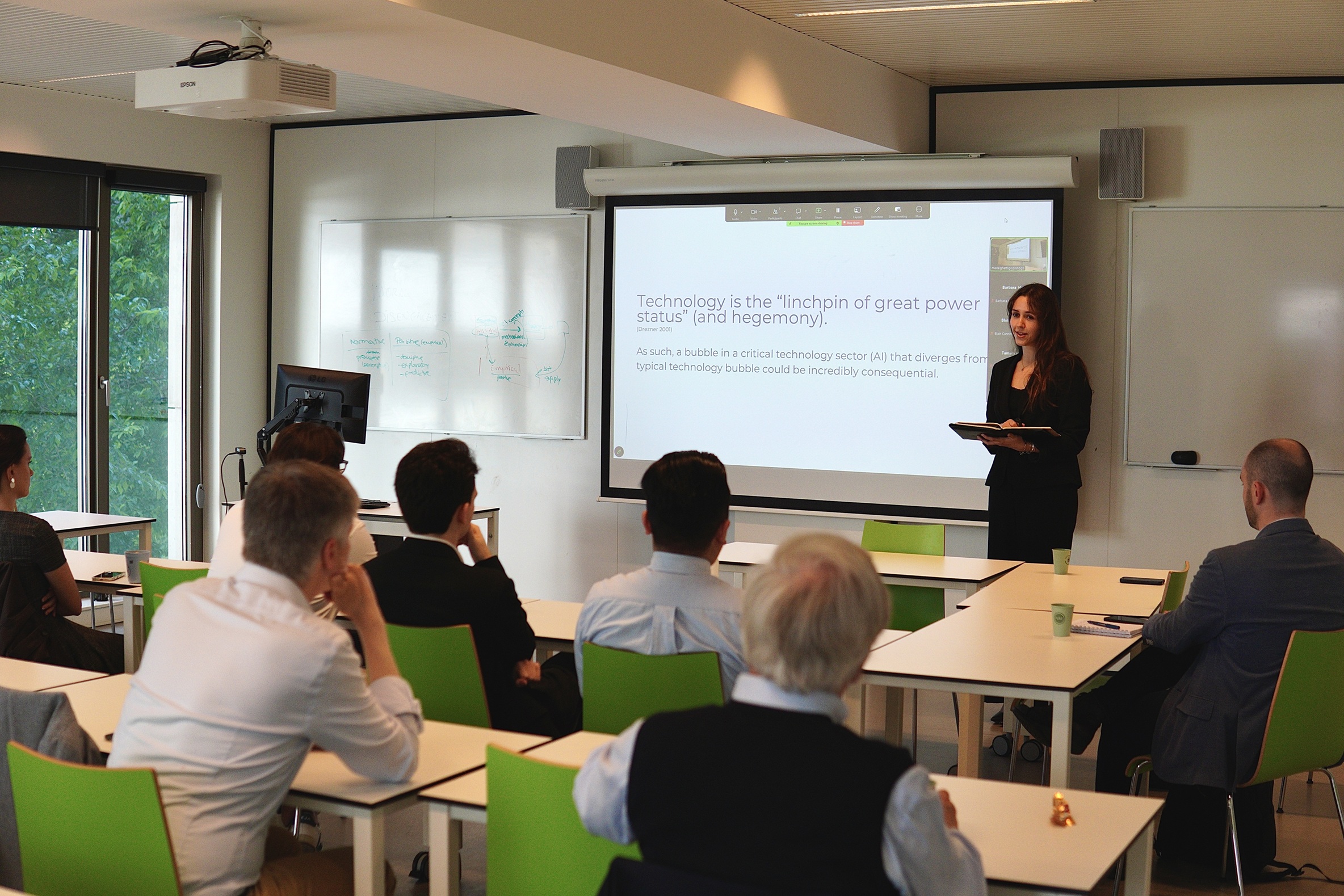
Lucia Seney Cunningham presenting 'The Contemporary AI Bubble: Structural Divergence, Systemic Risk, and Western Strategic Vulnerability' -
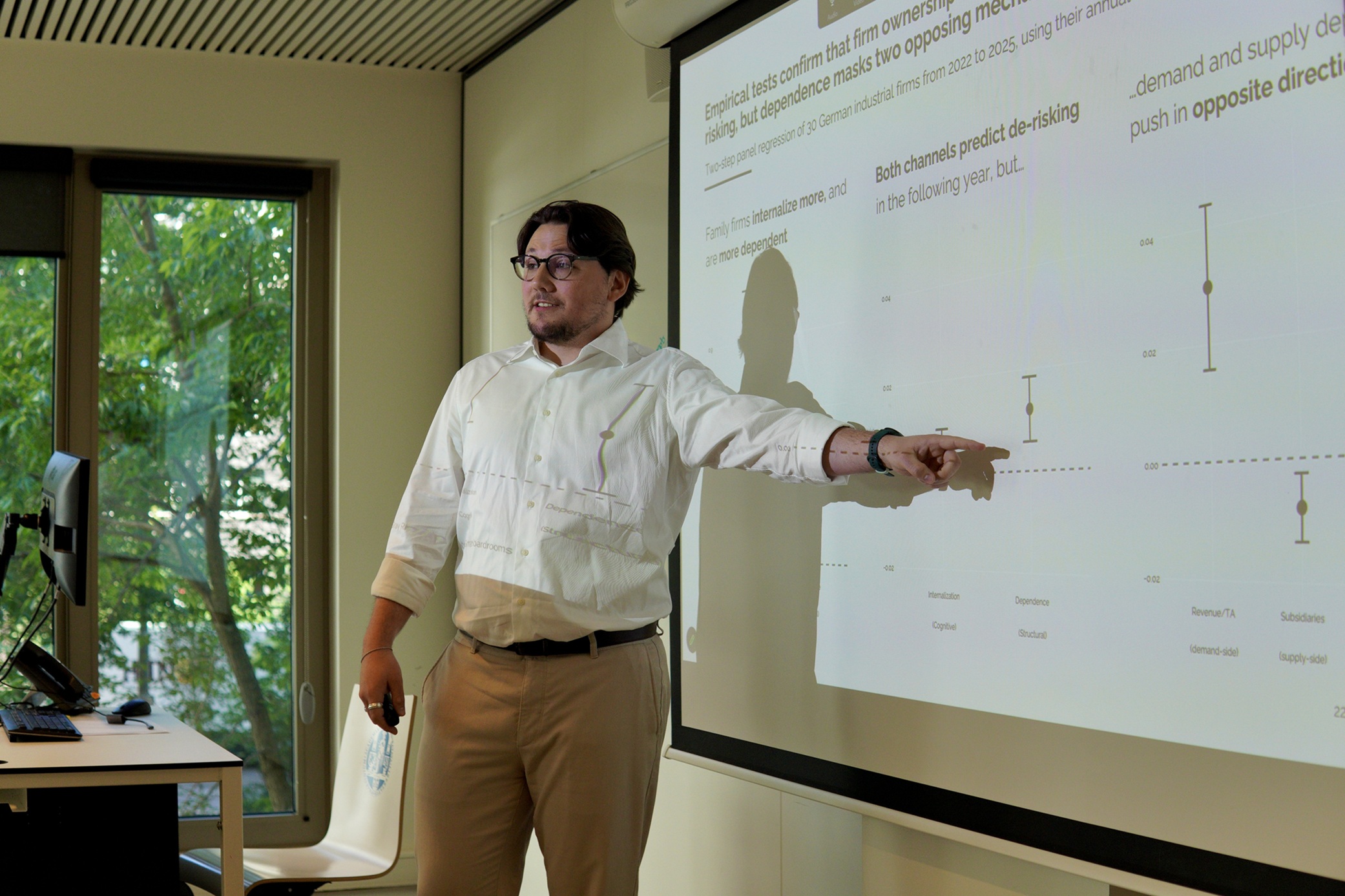
Mauritz Halusa presenting 'Gray Rhinos in German Boardrooms: Family Firms, Risk Internalization, and Path Dependence in German Industrial De-Risking from China' -
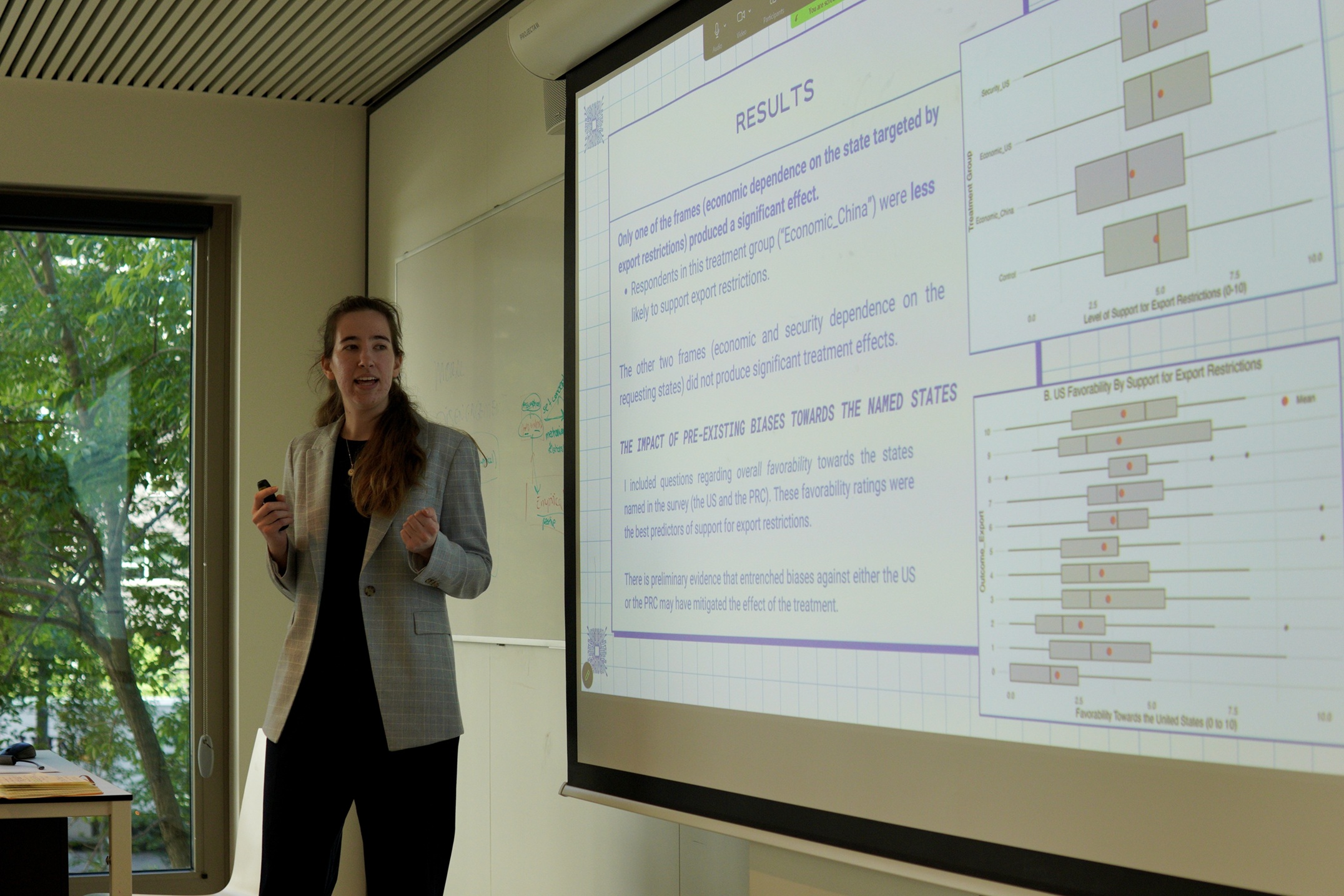
Nina Groeneveld presenting 'Computer Chips and State Dependencies: Framing Public Opinion of Semiconductor Export Restrictions' -
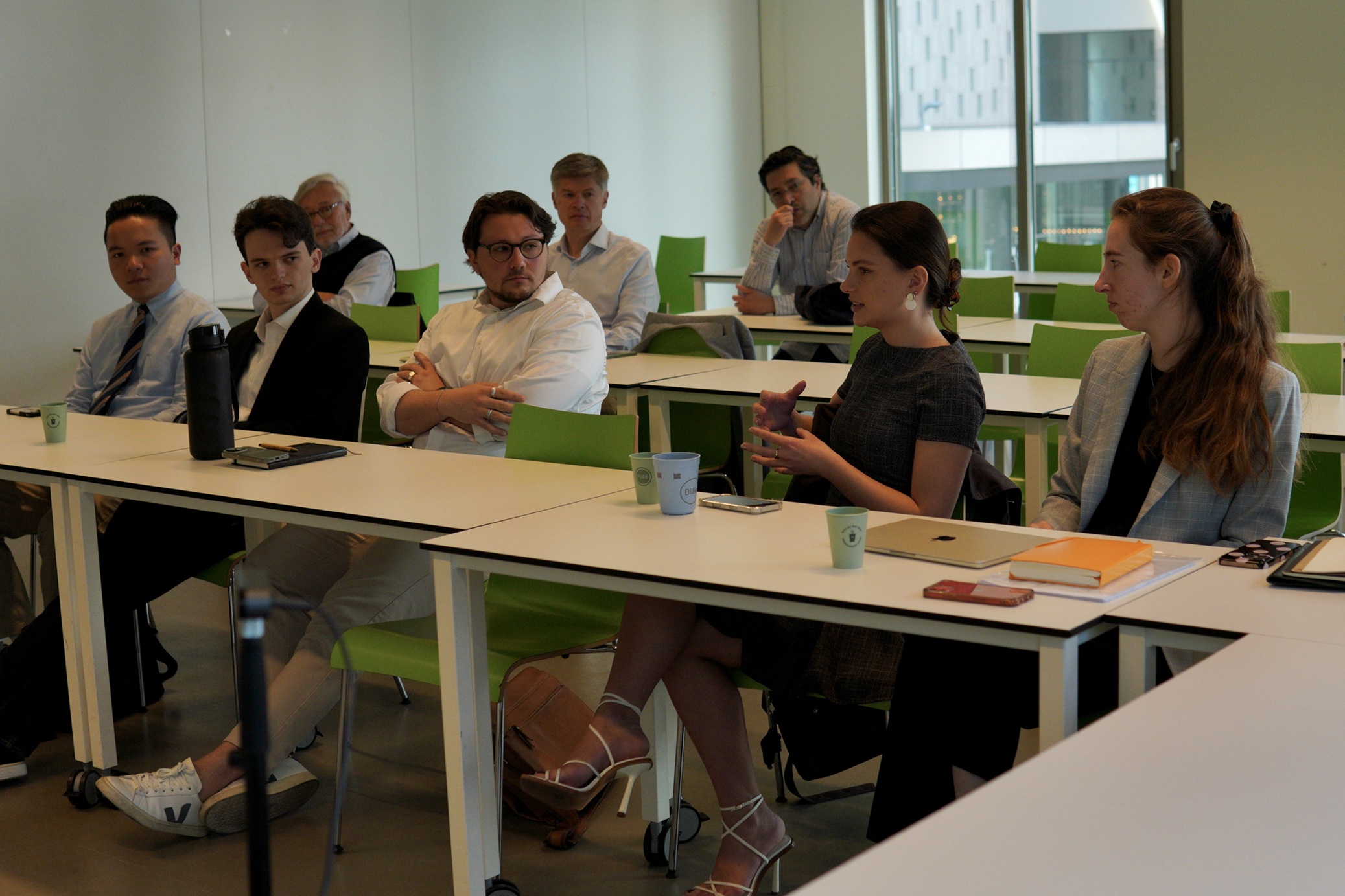
Maria Fernanda de Cunto responding to questions during the Q&A session -
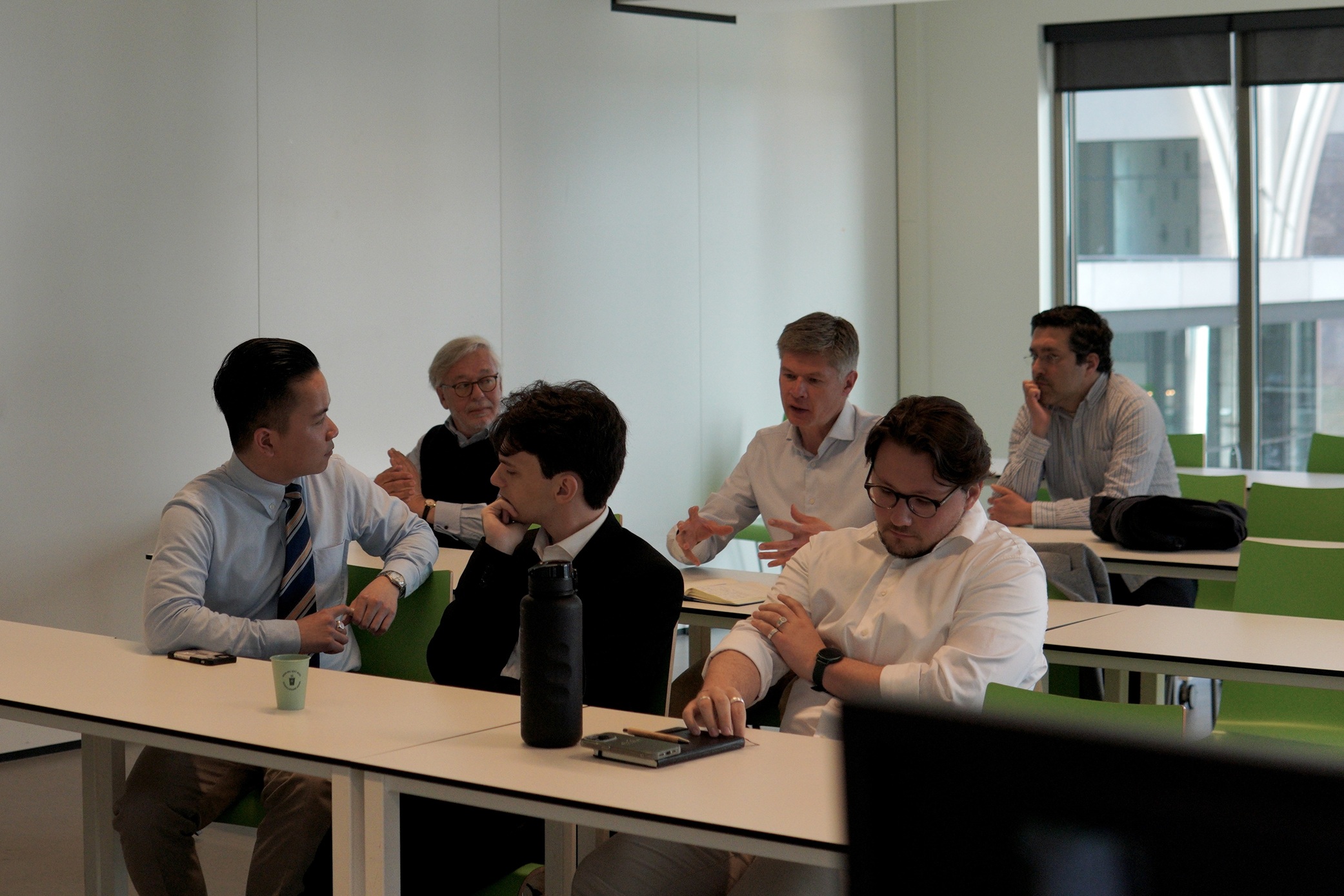
Students and the audience engaging in discussion during the Q&A session -
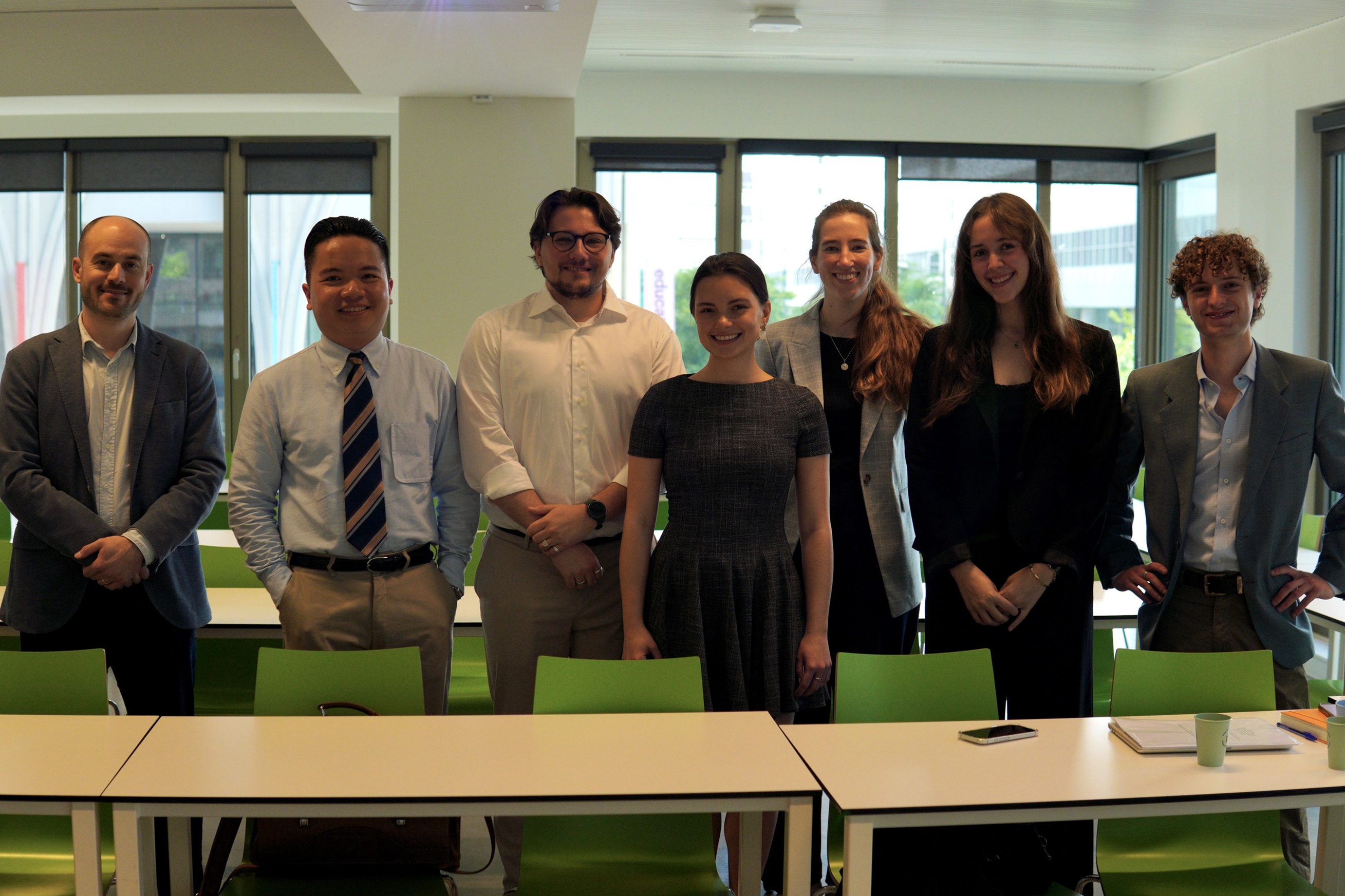
Economics & Technology panel, chaired by Dr. Miles Kellerman, with presenters Heng-Yu (Albert) Liao, Lucia Seney Cunningham, Maria Fernanda de Cunto, Mauritz Halusa, Nina Tatiana Groeneveld, and Tommaso Leone -
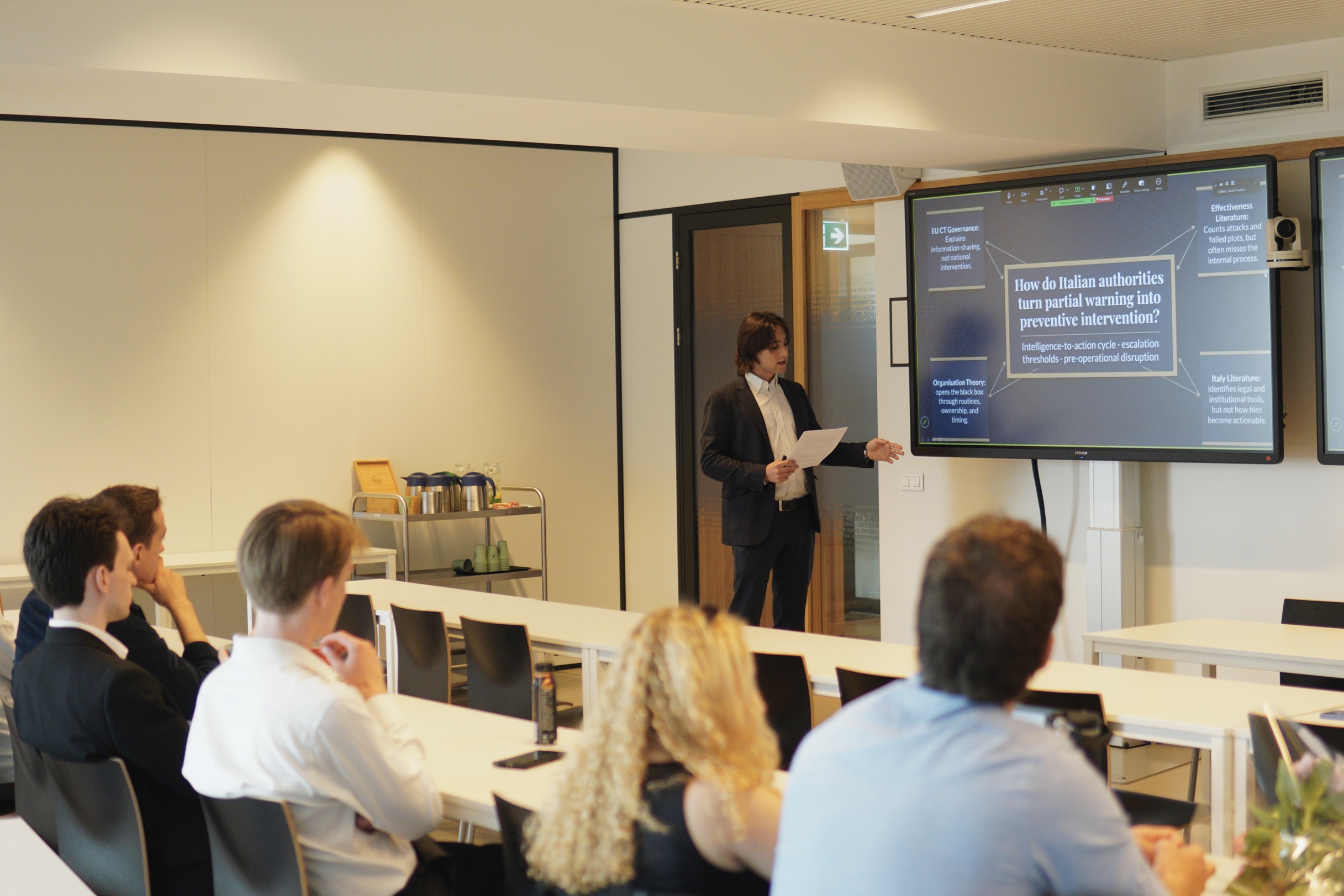
Alfonso Infantino presenting 'From Intelligence to Intervention: Escalation Thresholds and Pre-Operational Disruption in Italian Counterterrorism' -
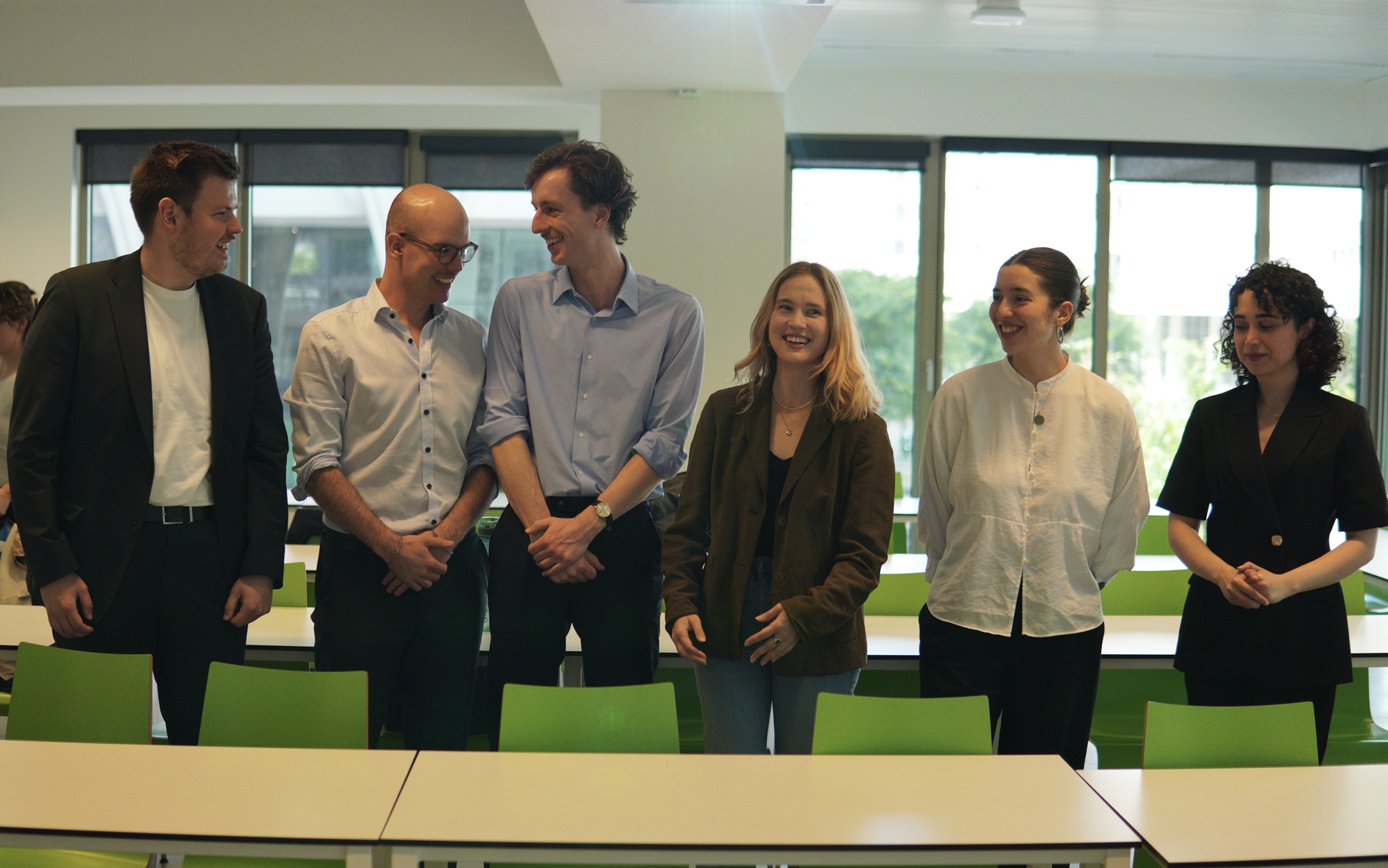
Presenters of the EU Policies panel: Fabian Hoppmann, Homa Mirbagheri, Julius Quandt, Laura Henny, Lavinia Pacifici, Victor Beekhuizen -
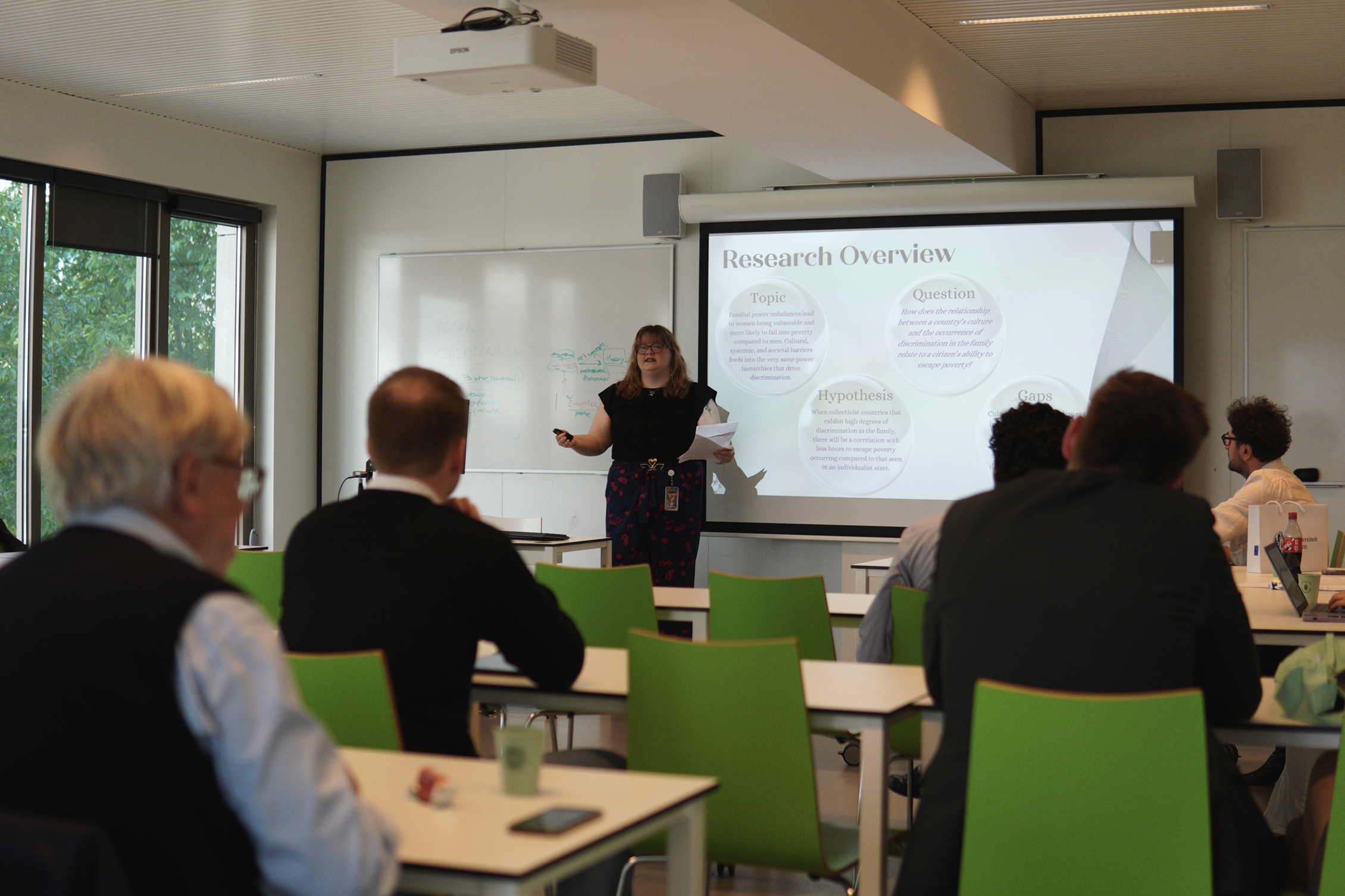
Emily Anne Swann presenting 'Escaping the Familial Poverty Trap: How Cultural Dimensions and Family Structures Influence Economic Autonomy' -
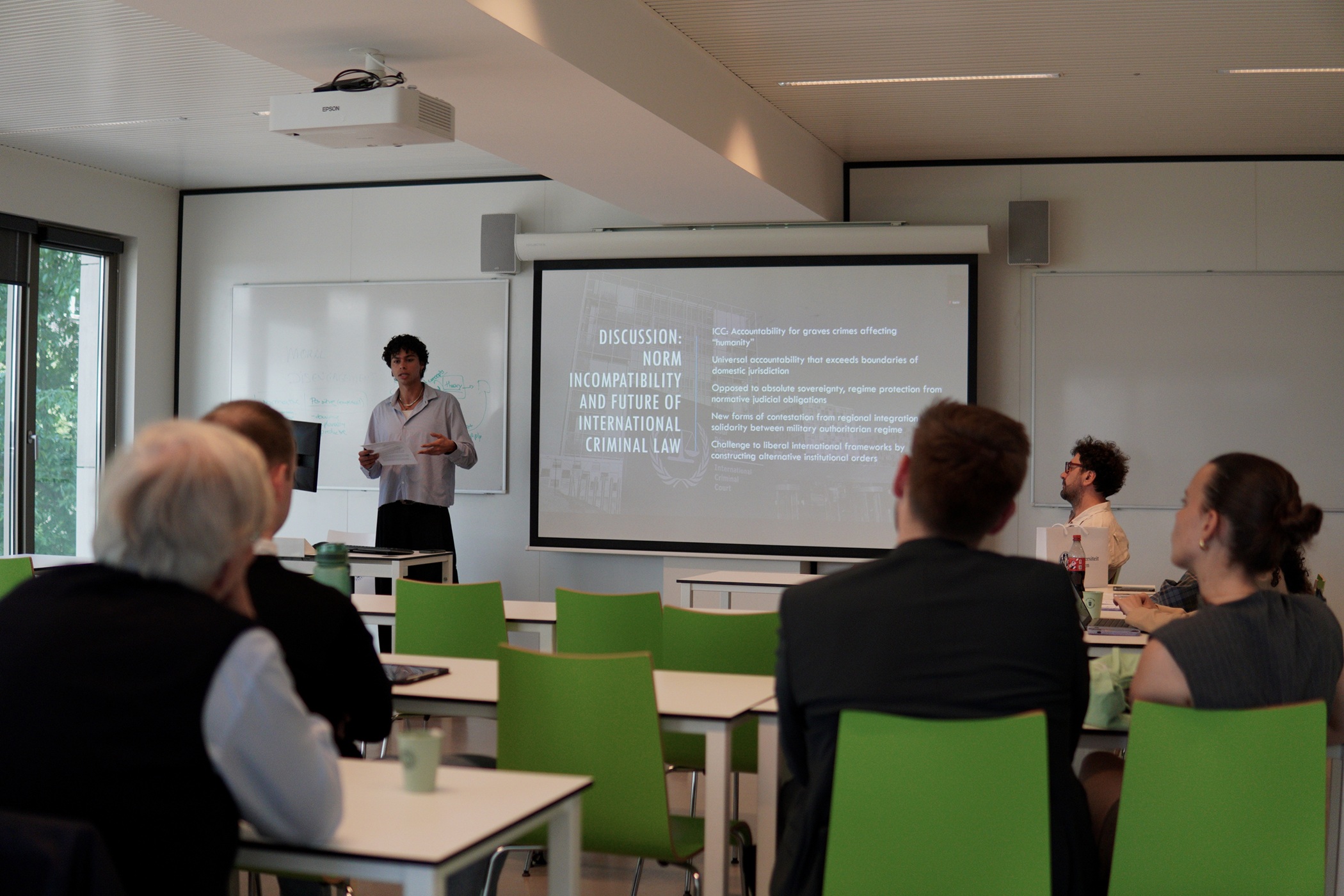
Julian Lombard presenting 'Selective Justice or Selecting Justice? Sovereignty, Institutional Identity, and the AES's Withdrawal from the Rome Statute'' -
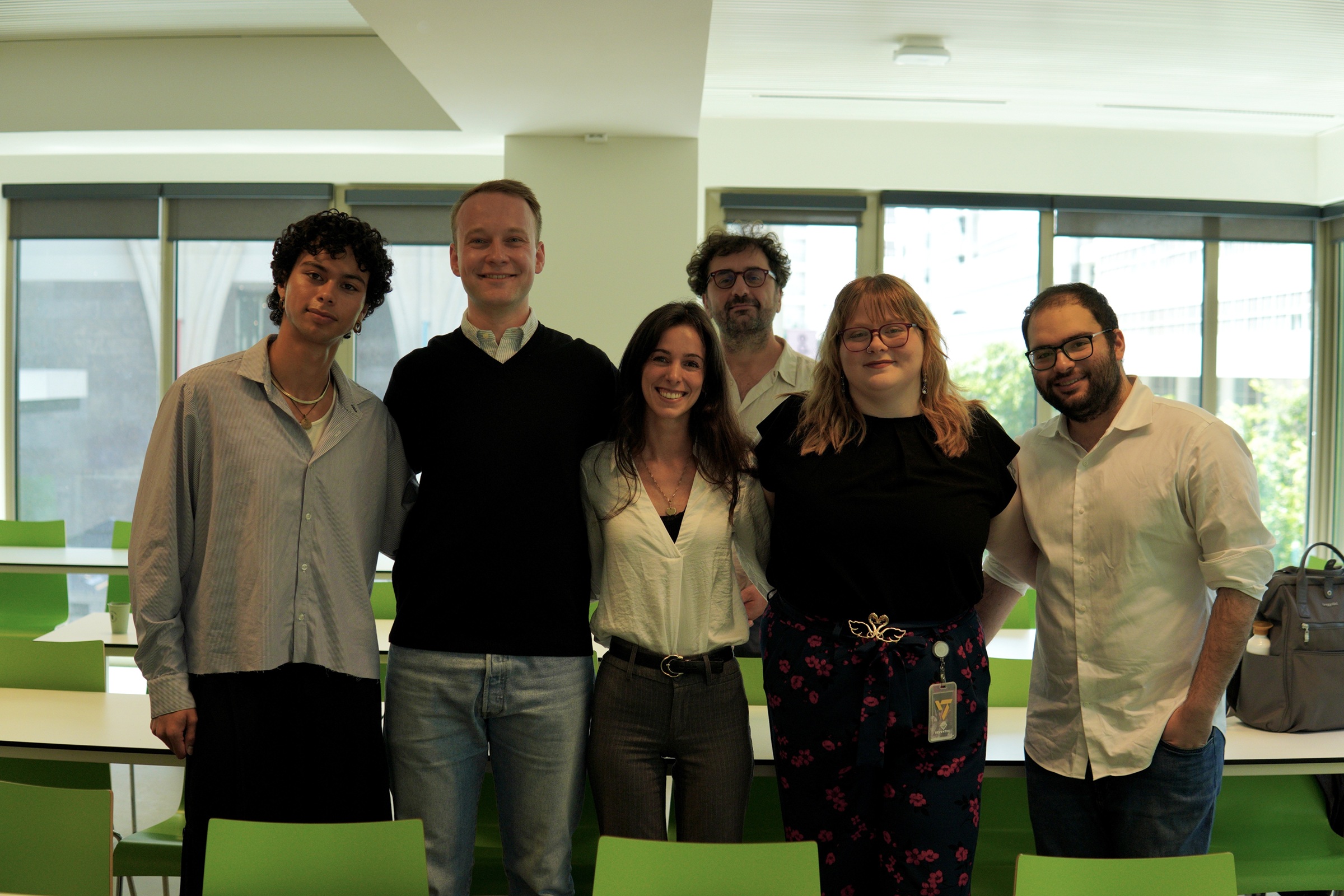
International Law and Treaty panel, chaired by Dr. Gjovalin Macaj, with presenters Emily Anne Swann, Julian Lombard, Lena Albatro, Marc Kouyoumdjian, and Maximilian Schlenker
MSc International Relations and Diplomacy
The two-year Advanced MSc International Relations and Diplomacy (MIRD) programme offers students a unique blend of academic education in international relations and political science with practical graduate education and training in international negotiation and diplomacy. Students attend a wide range of courses, develop their analytical and research skills, take on an internship, write their master’s thesis, and build network with experts in relevant fields. Upon graduation students are prepared to take on positions in international organisations, politics, and diplomacy; or for PhD research.