
MIRD students explore multilateral diplomacy in Geneva
Second-year Advanced MSc International Relations and Diplomacy (MIRD) students explored Geneva’s role as a global hub for multilateral diplomacy through high-level visits to leading international institutions during the programme’s annual study trip.
From 27 to 29 May, the three-day Geneva trip offered students firsthand experience through visits to key international institutions and organisations addressing critical global issues, including health, international trade, digital governance, and humanitarian crises. The visits bridge classroom concepts with the practical execution of high-level diplomacy and negotiations.

Engaging with multilateral institutions
Over three days, students visited institutions of global multilateral importance, including the World Bank, the World Trade Organization (WTO), and the United Nations Palais des Nations. These sessions explored the role of financial tools in global development, responses to health crises in the current funding environment, and the broader functioning of these institutions. These discussions highlighted the importance of multilateral processes in addressing global health, development, and economic challenges.

Understanding the world of digital governance and connectivity
In a rapidly evolving digital landscape, MIRD students interacted with experts at the Internet Governance Forum (IGF), where they learned about policy-making processes in internet governance. At the International Telecommunication Union (ITU), discussions focused on the role of the ITU in facilitating global connectivity and improving access to digital technologies worldwide. These themes were insightful for students due to their interest in fast-paced developments in technology and communication.

Interacting with the Humanitarian Hub in Geneva
The students had an opportunity to visit the International Federation of Red Cross and Red Crescent Societies (IFRC) and the Centre of Competence on Humanitarian Negotiation (CCHN), where they deepened their understanding of international humanitarian aid and response amid current challenges. They also engaged in an activity at CCHN to learn more about the process of building a negotiation plan.
Kritika Mahapatra, a second-year student, reflected: 'Coming from a country where humanitarian crises are a reality for millions, there was something deeply moving about seeing how these negotiations are shaped at the international level. MIRD made this possible by bridging academic learning with direct exposure to the institutions shaping humanitarian diplomacy. This is the kind of experience that reminds you exactly why you chose this path. Geneva deserves every bit of its reputation as the humanitarian capital of the world.'

Reconnecting with MIRD Alumni over fondue
After a long day of visits, the students and staff enjoyed fondue at Lake Geneva, where they had the opportunity to interact with MIRD alumni currently building careers in Geneva. The trip turned out to be a great success again. It provided students with a deeper understanding of multilateralism and the realities of global affairs as they step into their careers in international policymaking and diplomacy.
-
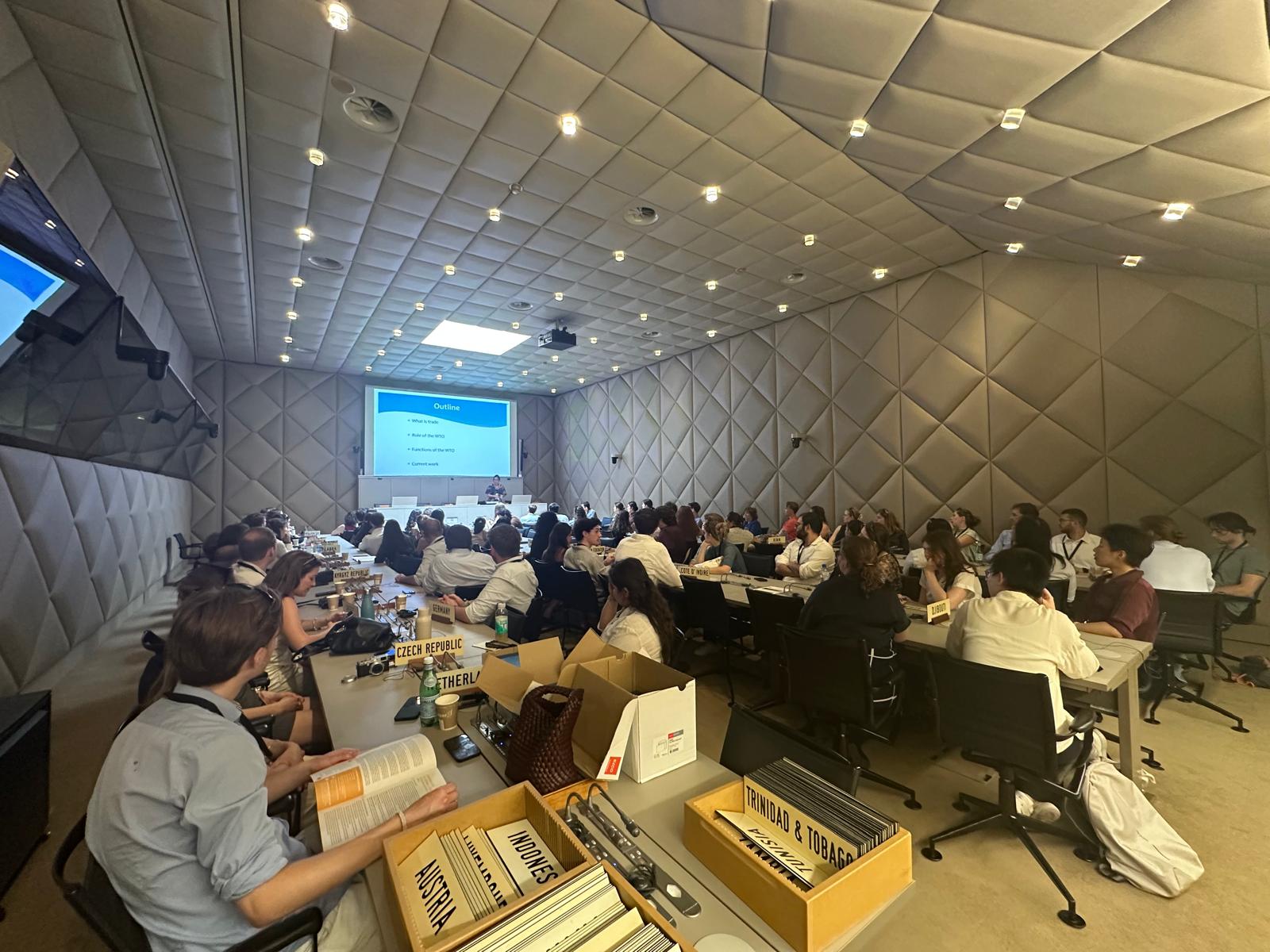
Presentation at the World Trade Organisation (WTO) -
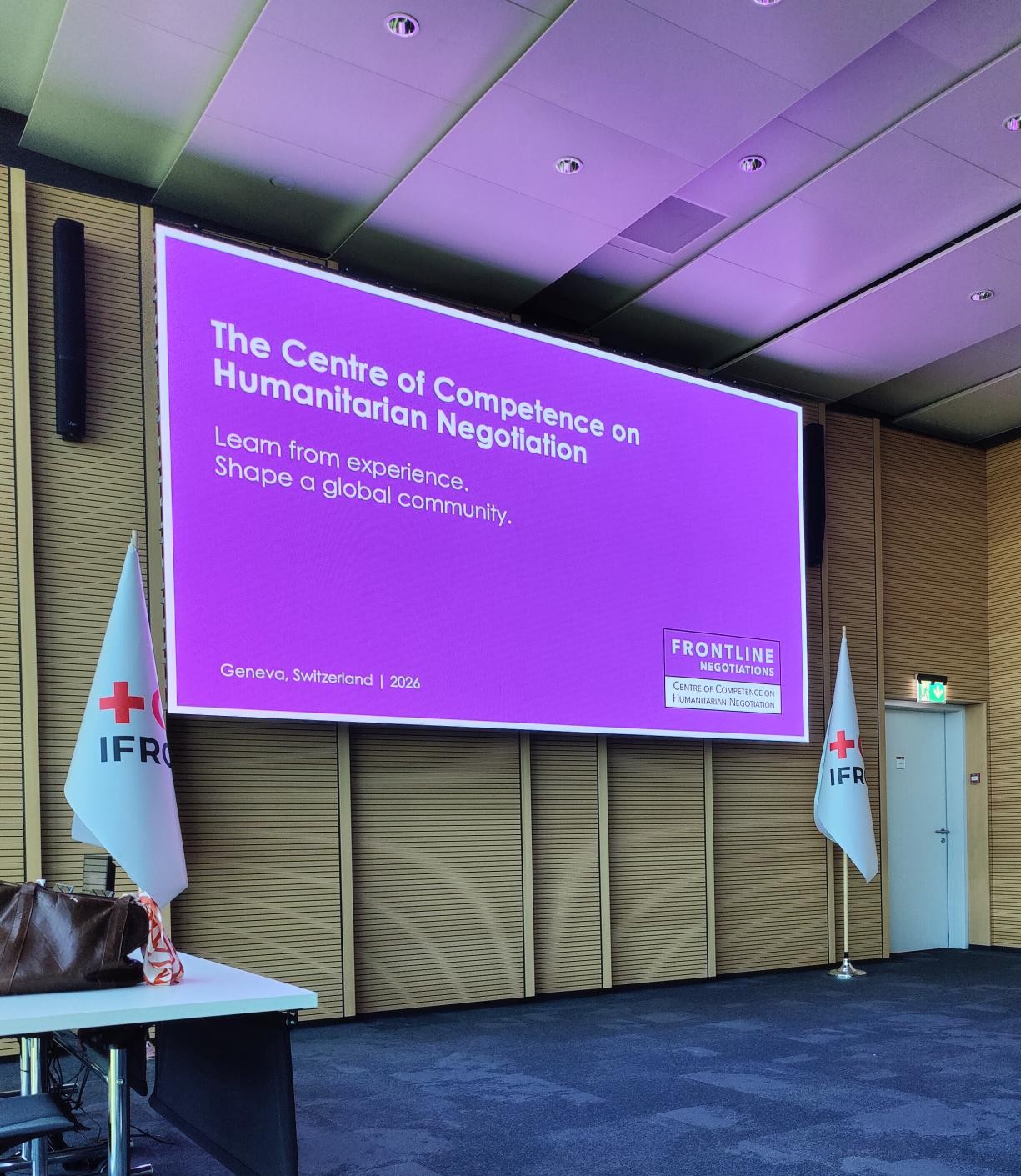
Presentation by CCHN (Frontline Negotiations) -
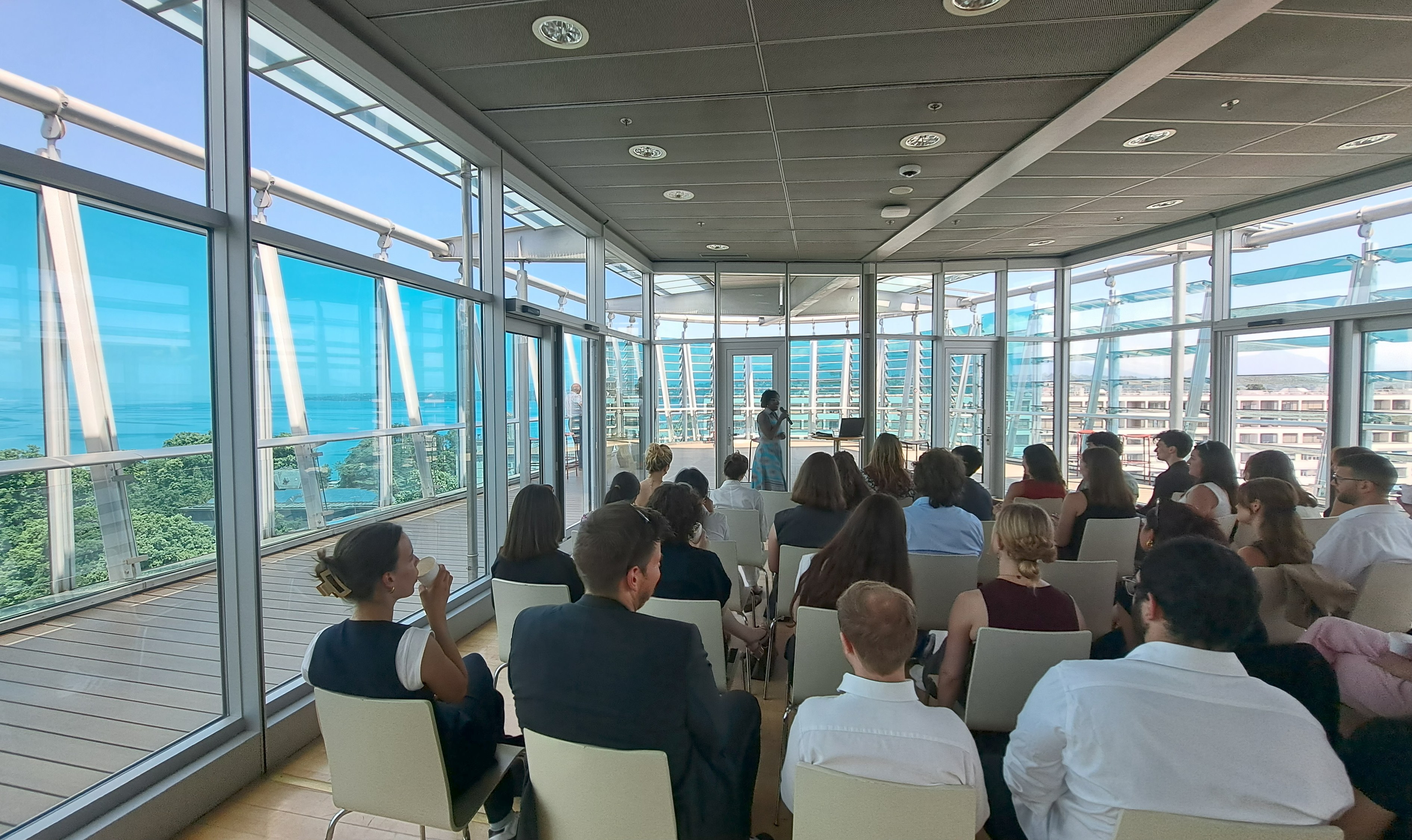
Presentation at the World Bank -
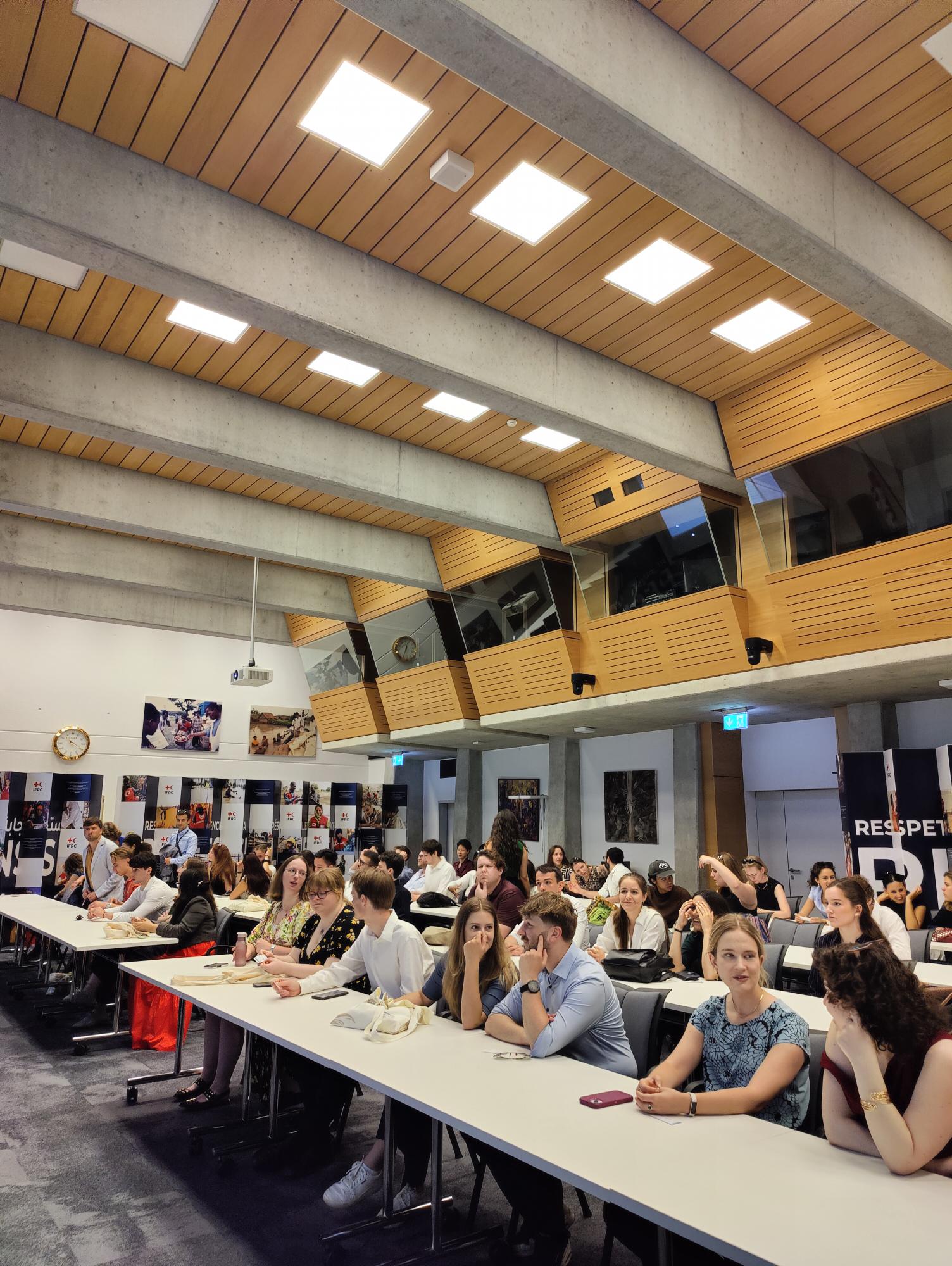
Presentation at the IFRC -
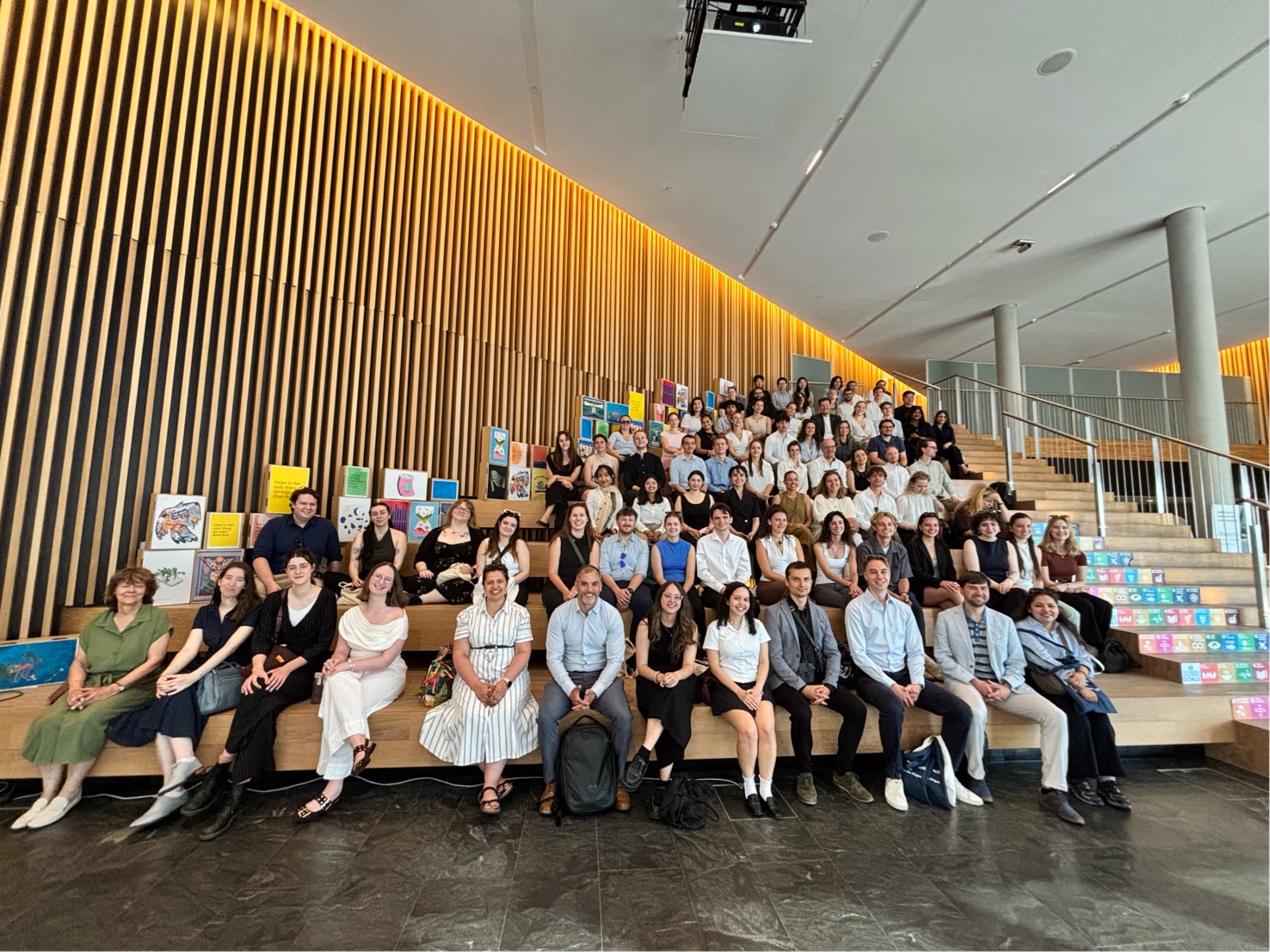
Group Picture in the UN Palais des Nations with a presentation by the Internet Governance Forum -
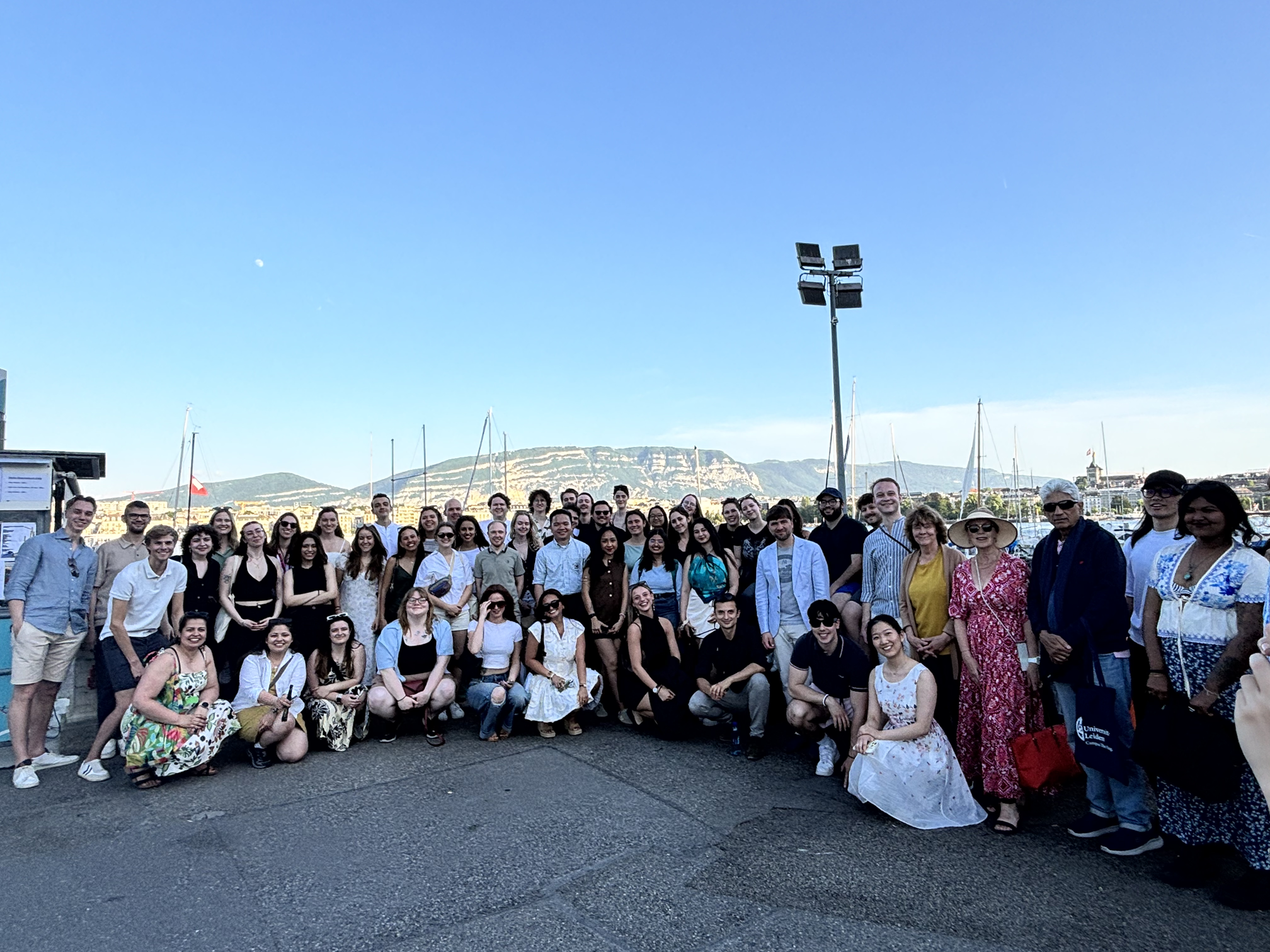
MIRD Visit to Geneva 2026 -
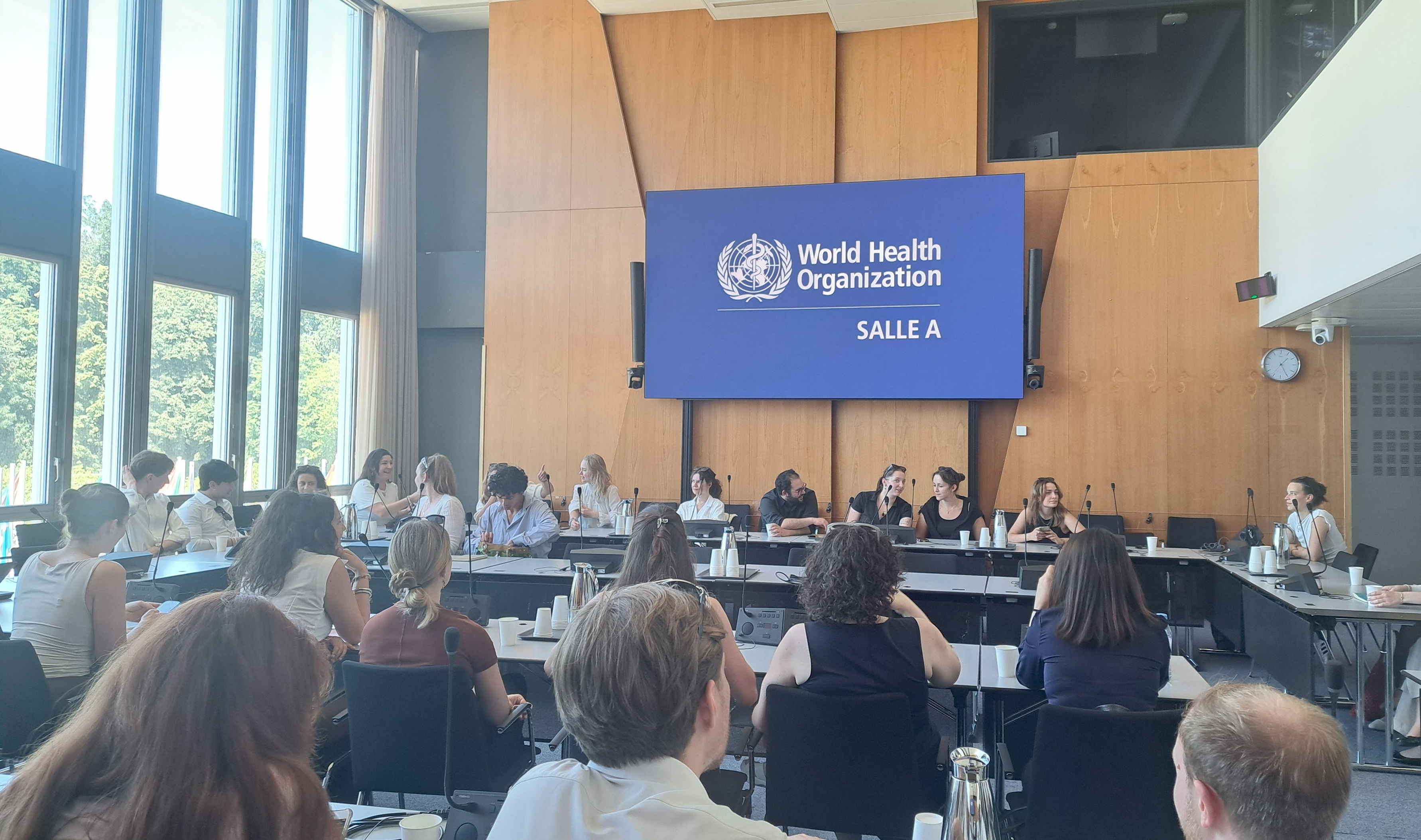
Presentation at the World Health Organisation (WHO) -
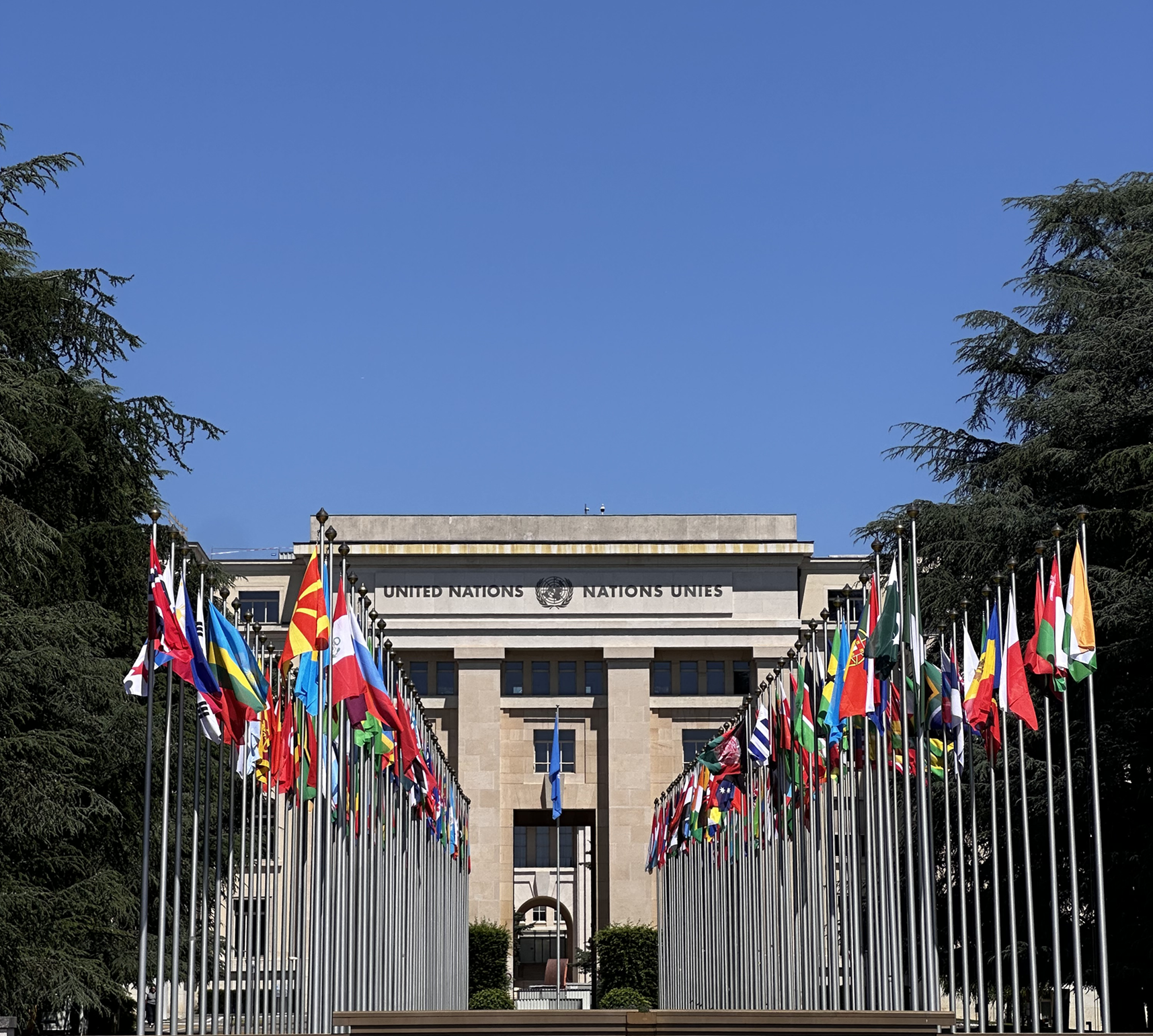
United Nations Palais des Nations -
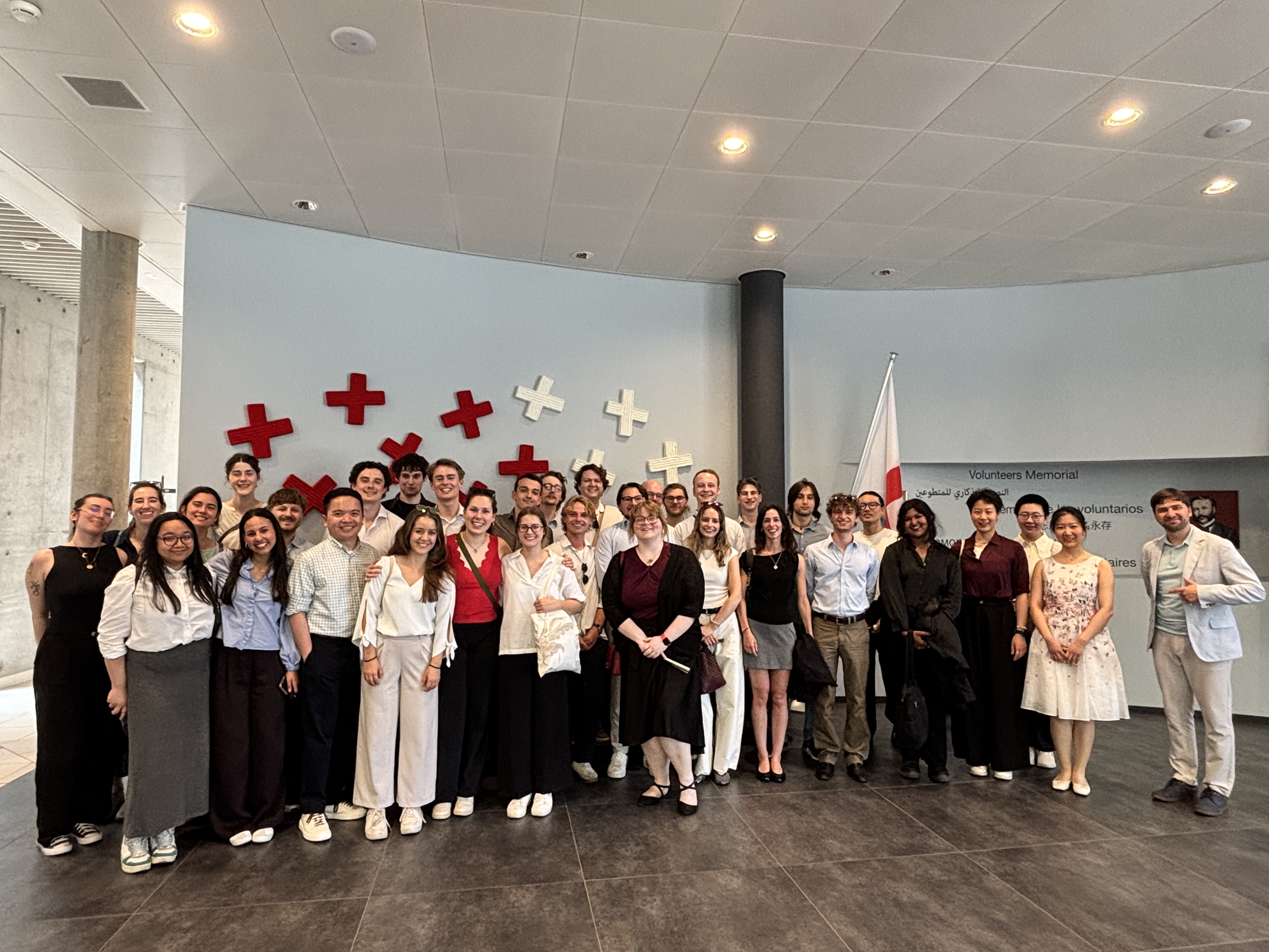
Students visit to International Federation of Red Cross and Red Crescent Societies (IFRC) -
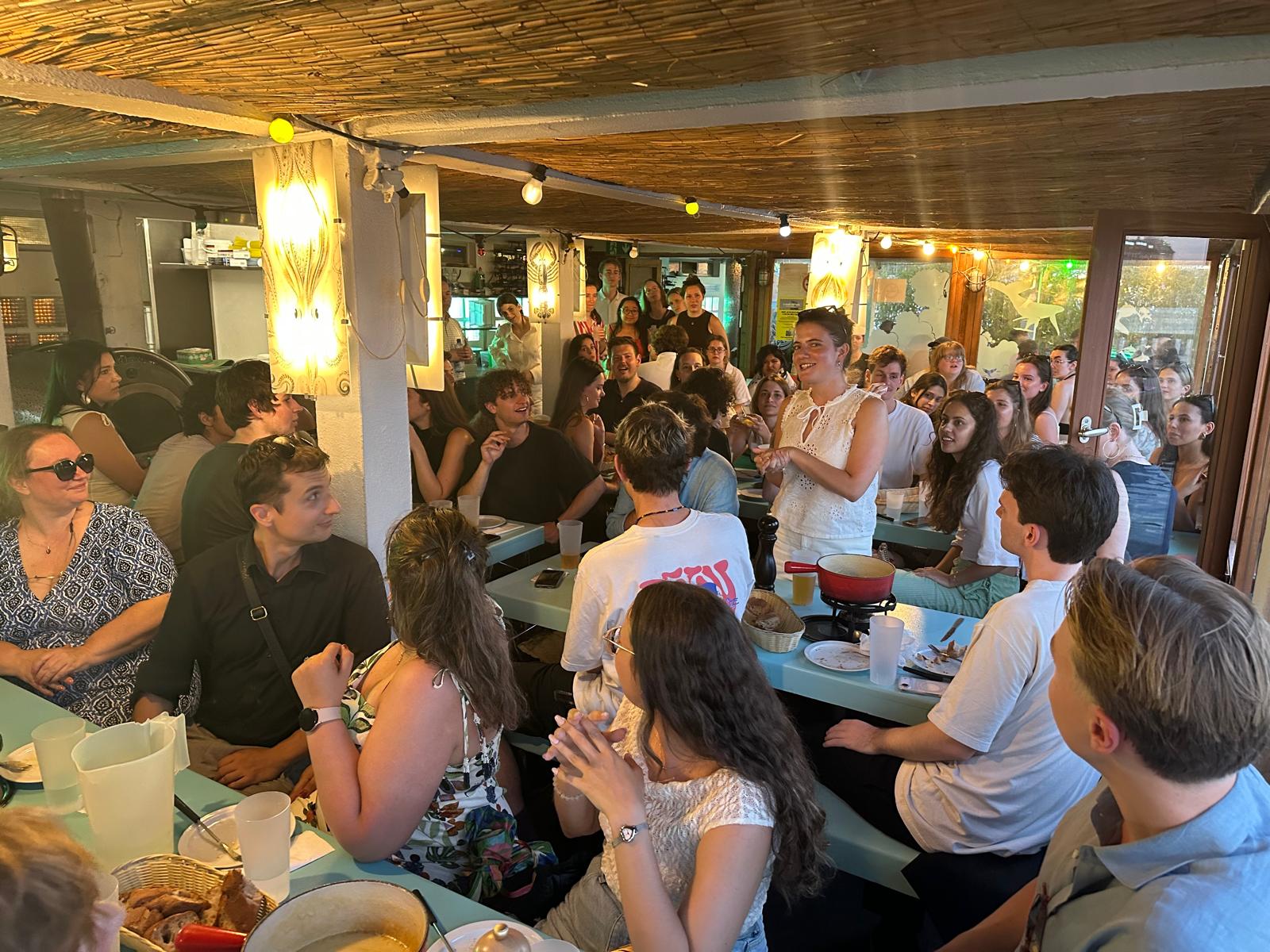
Fondue Dinner with MIRD students, staff, and alumni
MSc International Relations and Diplomacy *Advanced)
The two-year Advanced MSc International Relations and Diplomacy (MIRD) programme offers students a unique blend of academic education in international relations and political science with practical graduate education and training in international negotiation and diplomacy. Students attend a wide range of courses, develop their analytical and research skills, take on an internship, write their master’s thesis, and build network with experts in relevant fields. Upon graduation students are prepared to take on positions in international organisations, politics, and diplomacy; or for PhD research.