
186 search results for “a quiet cell with” in the Student website
-
 Jaco van Veldhoven
 -
 Hanneke Leegwater
 -
 Xuesong Wang
 -
 Bart Lenselink
 -
 Linda van den Berk
 -
 Giulia Callegaro
 -
 Britt Duijndam
 -
 Levi Winkelman
 -
 Tamara Danilyuk
 -
 Sabine de Winter
 -
 Michiel van Dijk
 -
 Natasha Tahir
 -
 Kirsten Snijders
 -
 Arnoud Sonnenberg
 -
James Stevens
-
 Elsje Burgers
 -
 Roshni Nair
 -
Gerard Mulder
-
 Lucy Sinke
 -
 Vera van der Noord
 -
 Ine Tijdens
 -
 Chantal Pont
 -
 Linglu Xu
 -
 Zoran Gavric
 -
 Lukas Wijaya
 -
 Fengjiao Zhang
 -
 Jiahang Su
 -
 Augustinus Lycklama à Nijeholt
 -
 Daphne Wong-A-Foe
Faculty of Social and Behavioural Sciences
-
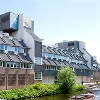 Lipsius
Cleveringaplaats 1, Leiden
-
 Spui Campus
Spui 5, The Hague
-
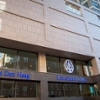 Wijnhaven
Turfmarkt 99, The Hague
- Zen Garden Student Well-being Week
-
 Paul Hooykaas
 -
 Hendrikus Tanke
 -
 Raju Sharma
 -
 Tessa Hagens
 -
 Cecilia Bergonzini
 -
 Chenlin Feng
 -
Jos Jonkers
-
 Maarten Lubbers
 -
 Jan Willem van der Laan
 -
 Marije Niemeijer
 -
LUMC participates in pioneering type 1 diabetes research
The promising early results of an international study have shown that insulin-producing cells grown from stem cells can cure the disease. The new Cure One LUMC research centre aims to accelerate this breakthrough.
-
Better understanding of cancer drugs – Leiden spin-off Omivera receives seed investment
How do you know if a drug will actually work? The Leiden-based spin-off Omivera is developing a new technology that could provide clearer answers. The young company received a seed investment from the investment fund UNIIQ to support its development.
-
 Anne Heyer
Faculty of Humanities
-
Leideners and researchers learn from each other at the Science Market
3 October University has become something of a tradition: a bit of science among the Leidens Ontzet celebrations. During the new and improved edition, the WetenschapsWarenMarkt (Science Market), visitors spoke to researchers about the nitrogen problem, making organs and the city’s connections with A…
-
Veni grants for 22 researchers from Leiden University
An impressive 22 research projects by Leiden researchers have been awarded Veni funding from the Dutch Research Council (NWO).
-
 Gerhard Burger
 -
 Adriaan IJzerman