
3,163 search results for “lecturer” in the Student website
-
Welcome to Leiden University
Welcome to Leiden University
-
Household Dominium and Enslavement in the Seventeenth-Century Dutch Empire
Lecture, Research Seminar Medieval and Early Modern History
-
From Enlightened Autocracy to Neomedieval Monarchism: The French Revolution Arrives in St. Petersburg
Lecture, Research Seminar Medieval and Early Modern History
-
Technology and the State: Enlightenment Language Machines, Then and Now
Lecture, Research Seminar Medieval and Early Modern History
-
Studium generale
Studium Generale, or the general studies department, organises a range of academic activities such as lectures, symposia, film screenings and debates. These activities are intended for students, staff and the general public alike.
-
Programme
When deciding what to study you undoubtedly read a lot of information about your study programme. Leiden University employs various systems to provide information about programmes and courses and to facilitate communication between lecturers and students.
-
Study associations
A study association is a good way to combine study-related activities with pleasure. Every faculty has one or more study association.
-
Honours education
Honours education provides extra challenge alongside your regular study programme.
-
Study associations
A study association is a good way to combine study-related activities with pleasure. Every faculty has one or more study association.
-
Study associations
A study association is a good way to combine study-related activities with pleasure. Every faculty has one or more study association.
-
Grades & results
Grades & results
-
Study associations
A study association is a good way to combine study-related activities with pleasure. Every faculty has one or more study association.
-
Programme
When deciding what to study you undoubtedly read a lot of information about your study programme. Leiden University employs various systems to provide information about programmes and courses and to facilitate communication between lecturers and students.
-
Timetable
Schedules
-
Thesis and papers
When writing a thesis or paper you must make good use of the insights you have gained during your lectures and studies so far. You should also refer to relevant literature and carry out your own research on the topic.
-
Health, Ageing and Society Student-for-a-day
Study information, Student-for-a-day
-
Writing a bottom-up, practice-oriented and connected history of Christianities in the medieval Middle East (12th-17th centuries
Lecture, Research Seminar Medieval and Early Modern History
-
Dies Natalis
University ceremony
-
FGGA in 2025: This was the year of our faculty
2025 was a year full of impact and milestones for FGGA: From a record number of graduates and new programmes to international collaborations, prestigious awards and research that pushes boundaries and provides insight into current challenges.
-
Safe use of IT
Safe use of IT
- Media | Art | Politics (MAP)
-
Annual Review 2025
In 2025, students, lecturers, researchers and alumni of the Faculty of Humanities were once again at the heart of society. They demonstrated the importance of the humanities through their groundbreaking research, meaningful education and strong collaborations.
-
Course and exam enrolment
Course and exam enrolment
-
Timetable
Schedules
-
‘I’m always proud when a student follows their own interests’
He is always positive towards his students, helps them see the bigger picture of the programme, and tries to remind them that ‘a degree is an enormous opportunity to grow in directions that genuinely interest you.’ Thomas Moerland, assistant professor at LIACS, has been nominated for Lecturer of the…
-
AIVD Director Akerboom in conversation with students: 'Russian threat the most significant'
During the second Arthur Docters van Leeuwen Lecture on 2 December, AIVD Director Erik Akerboom underlined how the changing threat landscape demands reflective leadership, transparency where possible and close cooperation to protect the democratic legal order.
-
Wil Roebroeks looks back on a life in archaeology: ‘I’ve always enjoyed my work’
After nearly two years of retirement, Wil Roebroeks looks back on a career that began in a time of freedom and ended in a field that has undergone profound academic and social change. ‘I have been fortunate to always enjoy my work,’ he says. ‘That is also my advice to younger generations: above all,…
-
Course and exam enrolment
Course and exam enrolment
-
Course and exam enrolment
Course and exam enrolment
-
Study associations
A study association is a good way to combine study-related activities with pleasure. Every faculty has one or more study association.
-
Programme
When deciding what to study you undoubtedly read a lot of information about your study programme. Leiden University employs various systems to provide information about programmes and courses and to facilitate communication between lecturers and students.
-
Speaking skills
Many students find speaking in front of their classmates and lecturers nerve-wracking. Giving a presentation can be rather stressful. But good preparation is half the battle and following the tips below can help reduce any anxiety.
- Students' experiences
-
Student experiences
Curious about the experiences of students in HC Science, Society & Self? Read their testimonials here and find out what makes this programme special to them! 🌐🔍
-
Answering the biggest questions with the tiniest particles
From lectures by Robbert Dijkgraaf to a telescope on the ocean floor: during his double bachelor’s in Physics and Astronomy, Jelle Oonk discovered that the path to big cosmic answers sometimes runs through the smallest, hardest-to-catch particles—neutrinos.
-
 Caroline Waerzeggers
Faculty of Humanities
-
 Harold Koster
Faculty of Law
-
 Isabelle Duijvesteijn
Faculty of Humanities
-
 Bente de Leede
Faculty of Humanities
-
Thesis and papers
When writing a thesis or paper you must make good use of the insights you have gained during your lectures and studies so far. You should also refer to relevant literature and carry out your own research on the topic.
-
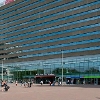 Stichthage
Koningin Julianaplein 10 (13th floor), The Hague
-
University & Faculty Councils and Programme Committees
The university council and faculty councils are democratically elected co-participation bodies that represent both students and staff of the university and its faculties. Co-participation also takes place at departmental level through programme committees.
-
Food & drink
Food and drink facilities available in the university buildings at Leiden University.
-
University & Faculty Councils and Programme Committees
The university council and faculty councils are democratically elected co-participation bodies that represent both students and staff of the university and its faculties. Co-participation also takes place at departmental level through programme committees.
-
University & Faculty Councils and Programme Committees
The university council and faculty councils are democratically elected co-participation bodies that represent both students and staff of the university and its faculties. Co-participation also takes place at departmental level through programme committees.
-
Service desk Campus The Hague
Wijnhaven, Turfmarkt 99, 2511 DP, The Hague
-
Study associations
A study association is a good way to combine study-related activities with pleasure. Every faculty has one or more study association.
-
Academic calendar
The academic year officially commences on 1 September and ends on 31 August. On national holidays and compulsory closure dates, the university is closed and no lectures take place.
-
Thesis and papers
When writing a thesis or paper you must make good use of the insights you have gained during your lectures and studies so far. You should also refer to relevant literature and carry out your own research on the topic.
-
Programme
When deciding what to study you undoubtedly read a lot of information about your study programme. Leiden University employs various systems to provide information about programmes and courses and to facilitate communication between lecturers and students.