

Masterclass at the Court of The Hague: ‘It’s not just about laws and regulations’
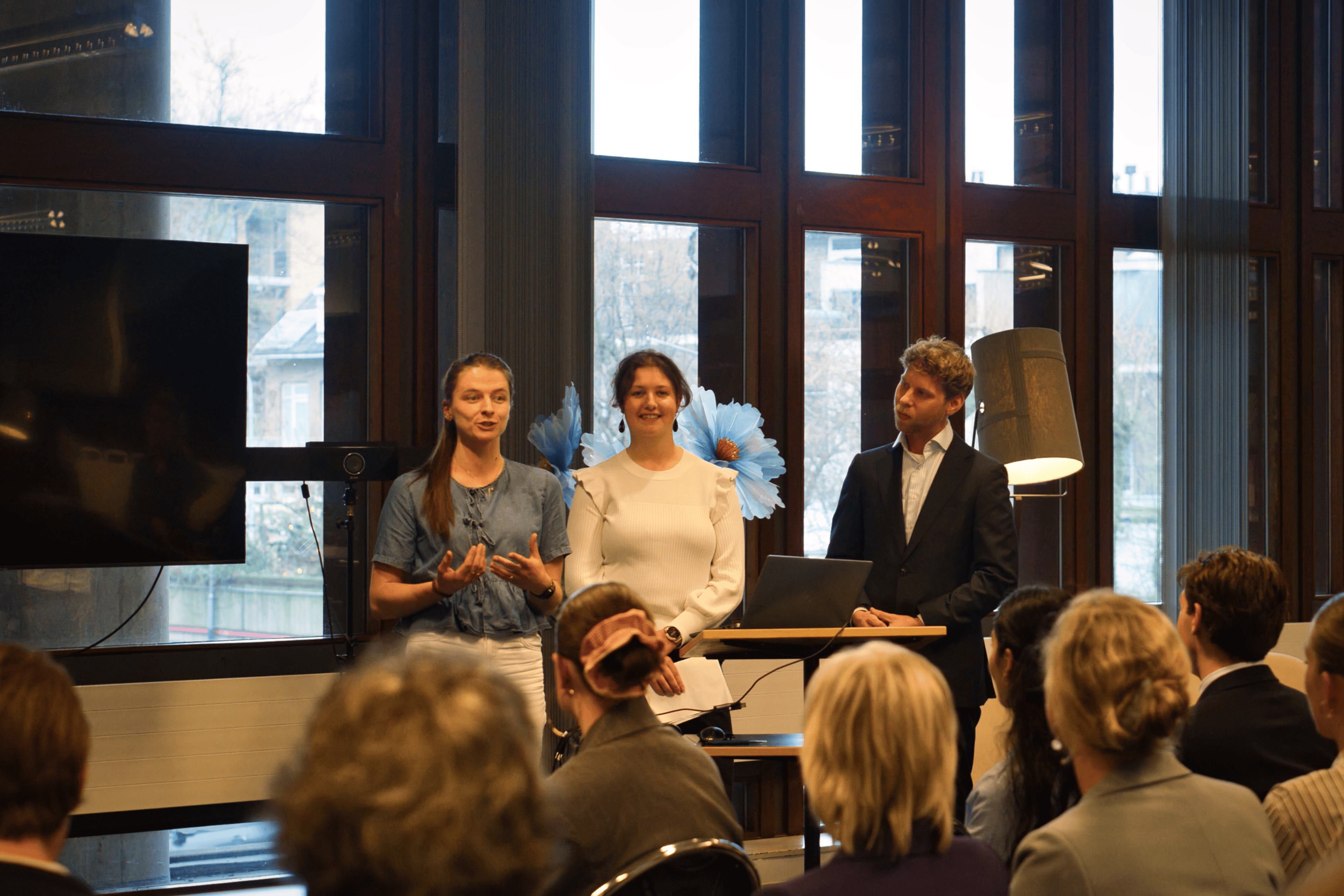
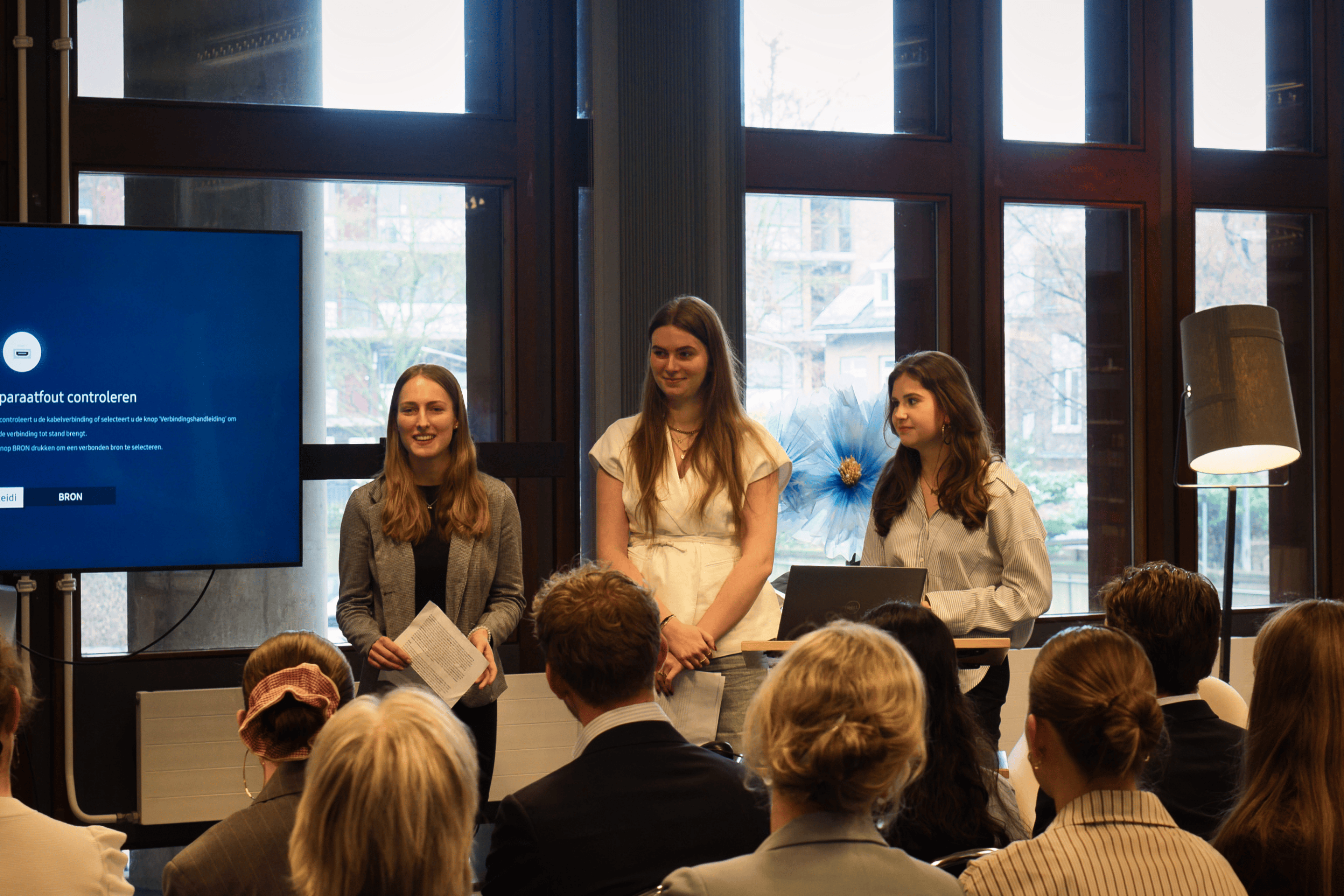
Over the course of eight weeks, twelve law students spent several days at the various sectors of the Court of The Hague where they learned all about the work of judges, judicial assistants and legal advisers. At the final session on 10 March, they shared their experiences.
'Beforehand, I thought everything in court would be quite strict and formal,' Azra Karakus says. 'But that turned out to be different in practice. Judges don’t follow one fixed procedure to deal with cases.' Suzanne Peters agrees: 'Each judge uses their own style at a court hearing.' She adds that the judiciary is no one-size-fits-all system: 'The judges all work in their own way.'
Noah de Voer also noticed clear differences between judges: 'One judge was a little more focused on finding a practical solution quickly, while the other took more time to look at the background to the case.' That said, the students also noticed certain similarities. 'Themes such as humanity and procedural justice were evident at all departments.' In their view, those two elements constitute the main pillars of the judicial system. 'There’s one central task: finding a practical solution for the litigants and one that meets their needs,' De Voer concludes.
Informal atmosphere
The students all look back on a positive learning experience. They say they were welcomed with open arms and had ample opportunities to take a look behind the scenes. 'What struck me most was the informal atmosphere between the judicial assistants and judges,' Norah Gooijer says. 'Everyone was very approachable and happy to answer our questions. They really took time to include us in their work.'
Tess Sprenkeling agrees: ‘I had lots questions and there was always someone who took the time to answer them. Despite their busy schedules, we could really experience the judicial system from the inside.'
Thrown in at the deep end
'It was extra special to sit in on consultations in the court chamber together with the judge and judicial assistants,' Sprenkeling continues. 'Sometimes the judge even asked for our opinion on a case. So, you’re kind of thrown in at the deep end, but that shows they value our thoughts.'
Karakus says that the masterclass also taught her about the role of the gerechtsjurist, the judicial assistant who supports the judges: 'They do an enormous amount of work, both in preparing and managing a case. If I take one thing away, it’s that the work of a judge cannot be seen separately from the support provided by the judicial assistant.'
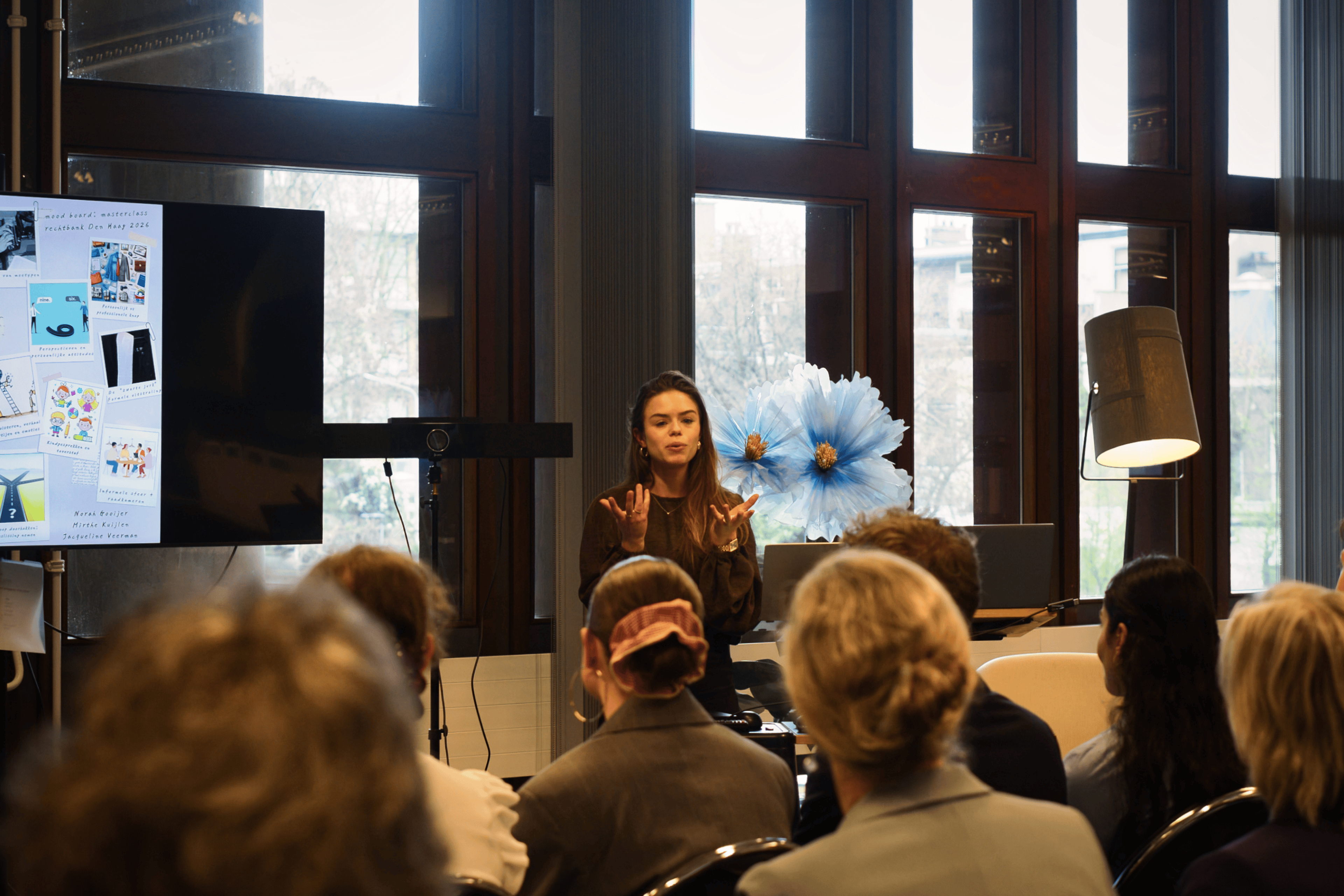

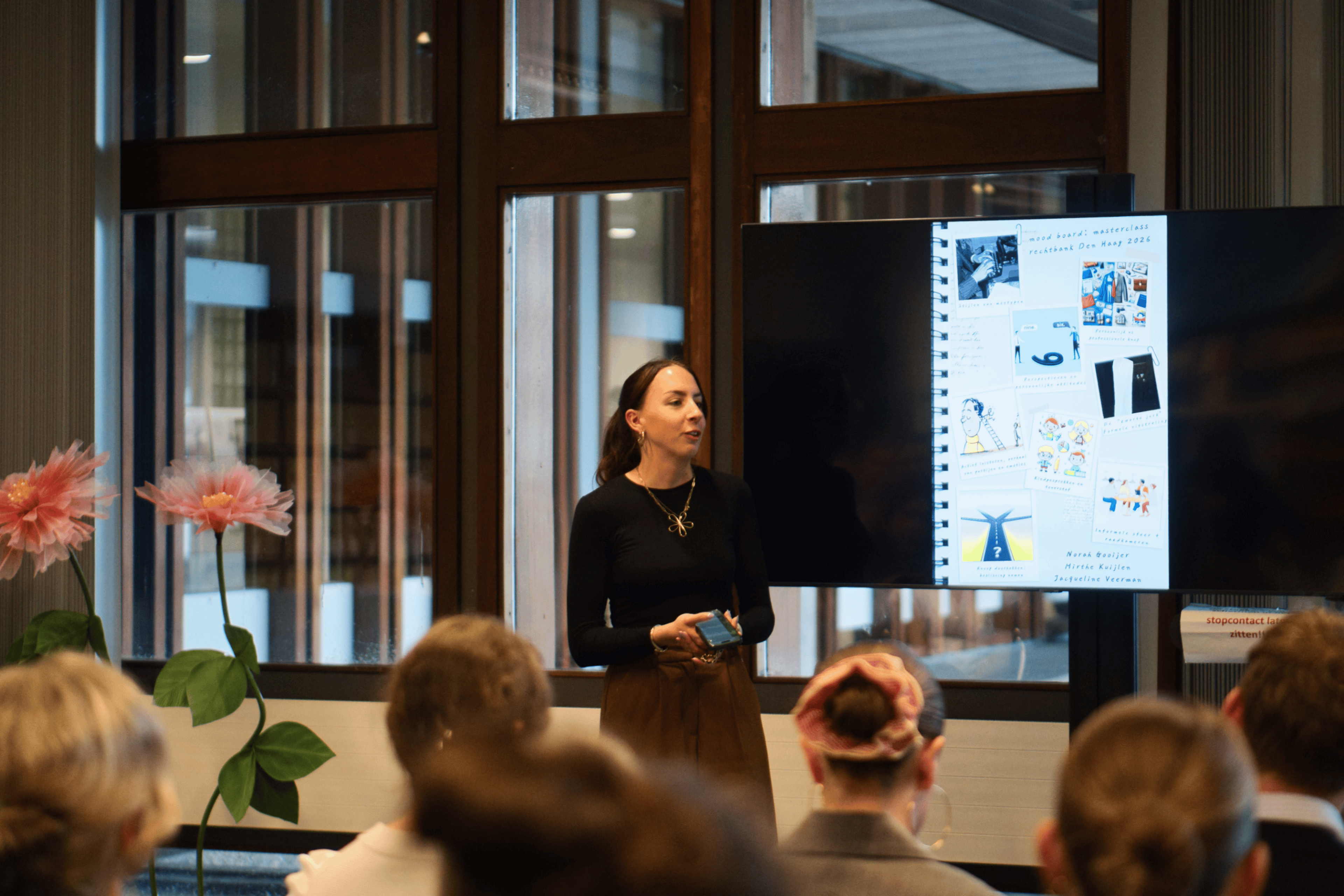
During the internship, students also learned things they hadn’t thought about beforehand. 'Even practical things, like the correct way to wear a gown,' Mirthe Kuijlen says. 'It’s clear that a gown is more than just a piece of clothing. First, you see the judges in their normal clothes, but the atmosphere changes once they put on their gown. Everything becomes more formal and the judge’s personality takes back seat.' She adds that this symbolism is crucial: 'The gown underlines the independence and impartiality of the judge.'
Partners
Robine de Lange-Tegelaar, President of the Court of The Hague, looks back on the masterclass with much satisfaction, telling students: 'It’s wonderful to see that you got so much out of it. You’ve already got lots of knowledge about the law, but seeing how it actually works in practice gives a completely different perspective.'
Dean Suzan Stoter also emphasises the importance of this practical experience and congratulates the students: 'It’s impressive and inspiring to see how much you’ve learned in such a short time about how the judiciary operates in practice across the different areas of law.'
According to De Lange-Tegelaar, the strength of the masterclass lies in the good working partnership between the faculty and the court: 'Together, we make the masterclass a success. You come to learn everything you can, and we facilitate that process. This is something we’ve been doing for many years together with the university. And we’ll continue to do so for many more.'
The Dutch-taught course ‘Masterclass rechtbank Den Haag’ is offered to third-year bachelor’s law students and master’s law students. The Court of The Hague and Leiden Law School organise this masterclass every year. Are you interested? You can apply again in autumn 2026. Keep an eye on the website!