480 search results for “chemical wapens” in the Student website
-
The role of chemical weapons in the Ukraine conflict
Anneleen van der Meer discusses Russia's alleged use of chemical weapons in Ukraine in an article for The Conversation.
-
What does a cell eat? This new tool makes it visible
What if you could watch a single cell eat in real time? This could answer questions about diseases such as cancer. PhD candidate Yixuan Wang has developed a glowing chemical tool that makes this possible, revealing how living cells take in nutrients.
-
 Madeline Kavanagh
Faculty of Science
-
How a bachelor’s student contributed to better chemical simulations
Doğukan Yilmaz chose a study that aligned with his favourite subjects, and it paid off. For his bachelor thesis, he developed a new model to better predict an important chemical reaction. ‘On the edge of what is possible at the bachelor level,’ his supervisors write. Thanks to his impressive achievements,…
-
 Tom van der Wel
Faculty of Science
-
 Hermen Overkleeft
Faculty of Science
-
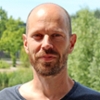 Sander van Kasteren
Faculty of Science
-
A cocktail of chemicals in surface water is more toxic than each substance individually
Pesticides can form a toxic cocktail when they occur in combination in surface water. This is the finding of research that Leiden University and the Dutch National Institute for Public Health and the Environment (RIVM) presented on Monday 14 October. The Dutch Ministry of Infrastructure and Water Management…
-
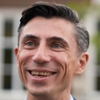 Zoran Gavric
Faculty of Science
-
 Anthe Janssen
Faculty of Science
-
 Berend Gagestein
Faculty of Science
-
Making the invisible visible with ‘click chemistry’
Sander van Kasteren (Professor of Molecular Immunology) makes the invisible visible. He will explain more in his inaugural lecture.
-
 Anna Roseboom
Faculty of Science
-
 Joel Rüegger
Faculty of Science
-
 Daan van der Vliet
Faculty of Science
-
Sven Wijngaarden
Faculty of Science
-
 Grégory Schneider
Faculty of Science
-
Safety instructions
The university finds it important that students and staff are offered a safe environment. Read here about the safety measures in place and what you should do in case of emergencies or other incidents.
-
 Anneleen van der Meer
Faculty of Governance and Global Affairs
-
‘Science isn’t about memorising a textbook’
How do you engage students? Sander van Kasteren knows how to do that like no other. ‘He compares immune cells to Pokémon and doesn’t just give information; he tells stories,’ students say about their favourite lecturer, Sander van Kasteren. The Professor of Molecular Immunology passionately teaches…
-
Sugar chemistry – Wouter Remmerswaal’s unrelenting pursuit of understanding
The dark matter of biology: clumps of sugar molecules that, for example, form sugary webs around pathogens. We know very little about them. Wouter Remmerswaal threw all his talent into the challenge – both in the lab and as a modeller – and succeeded. He received his PhD on 12th September.
-
‘To truly understand the brain, we must understand the chemistry’
How do fats and enzymes in the brain contribute to multiple sclerosis? In his PhD research, Daan van der Vliet combined chemistry and neuroscience to gain new insights into how brain disorders develop.
-
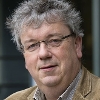 Huub de Groot
Faculty of Science
-
Safety instructions
The university finds it important that students and staff are offered a safe environment. Read here about the safety measures in place and what you should do in case of emergencies or other incidents.
-
Researchers awarded NWO grants for green technology and new enzymes
Developing safer alternatives to harmful PFAS filters and seeking new enzymes for medical applications. Two projects with Leiden researchers have been awarded funding through the Dutch Research Council's (NWO) Open Technology programme.
-
Programme
When deciding what to study you undoubtedly read a lot of information about your study programme. Leiden University employs various systems to provide information about programmes and courses and to facilitate communication between lecturers and students.
-
Yunfei Wu
Faculty of Science
-
 Enebie Ramos Cáceres
Faculty of Science
-
 Laura Bogue
Faculty of Science
-
Kas Steuten
Faculty of Science
-
Donja van den Beld
-
Preparing for the next pandemic: scientists discover a new class of influenza antivirals
Researchers from Leiden University, University of York, University of Barcelona/IQTCUB/ICREA and The Francis Crick Institute report a new class of experimental compounds that powerfully block influenza viruses. The findings offer a potential new strategy for treating flu infections and preparing for…
-
Femke Reidsma to Harvard with Rubicon Grant for research on early fire use
Researcher Femke Reidsma has been awarded a prestigious Rubicon grant. With this fellowship, she will spend two years conducting research at Harvard University, where she will join a leading paleoecology laboratory.
-
 Eva George Matlalcuatzi
Faculty of Science
-
Yixuan Wang
Faculty of Science
-
 Lucas Moritz Bickem
Faculty of Science
-
Jessica Hoang
Faculty of Science
-
 Alexandra Velthuijzen
Faculty of Science
-
 Benjamin Bakker
Faculty of Science
-
 Kim Bonger
Faculty of Science
-
 David Licko
Faculty of Science
-
Thijmen Mostert
Faculty of Science
-
Luuk Reinalda
Faculty of Science
-
Lucía Tocornal Díaz
Faculty of Science
-
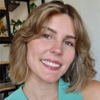 Heleen Peeters
Faculty of Science
-
Rocaya Ali
Faculty of Science
-
Tijn Vleeshouwer
-
Homicide rate drops, but not in criminal milieu
The annual homicide rate has decreased considerably since the 1990s. In their hunt for an explanation, researchers Pauline Aarten and Marieke Liem made a surprising discovery: if you divide homicides into categories, you find significant differences in the homicide rate. Publication in the European…
-
 Rob Bosman
Faculty of Science
-
 Sebastian Geibel
Faculty of Science